Hakone & Regional
Cultural Landscapes
Discover the cultural landscapes surrounding Hakone —
from iconic destinations to quieter regional places.
Hakone • Tanzawa Region
Kanagawa, Japan
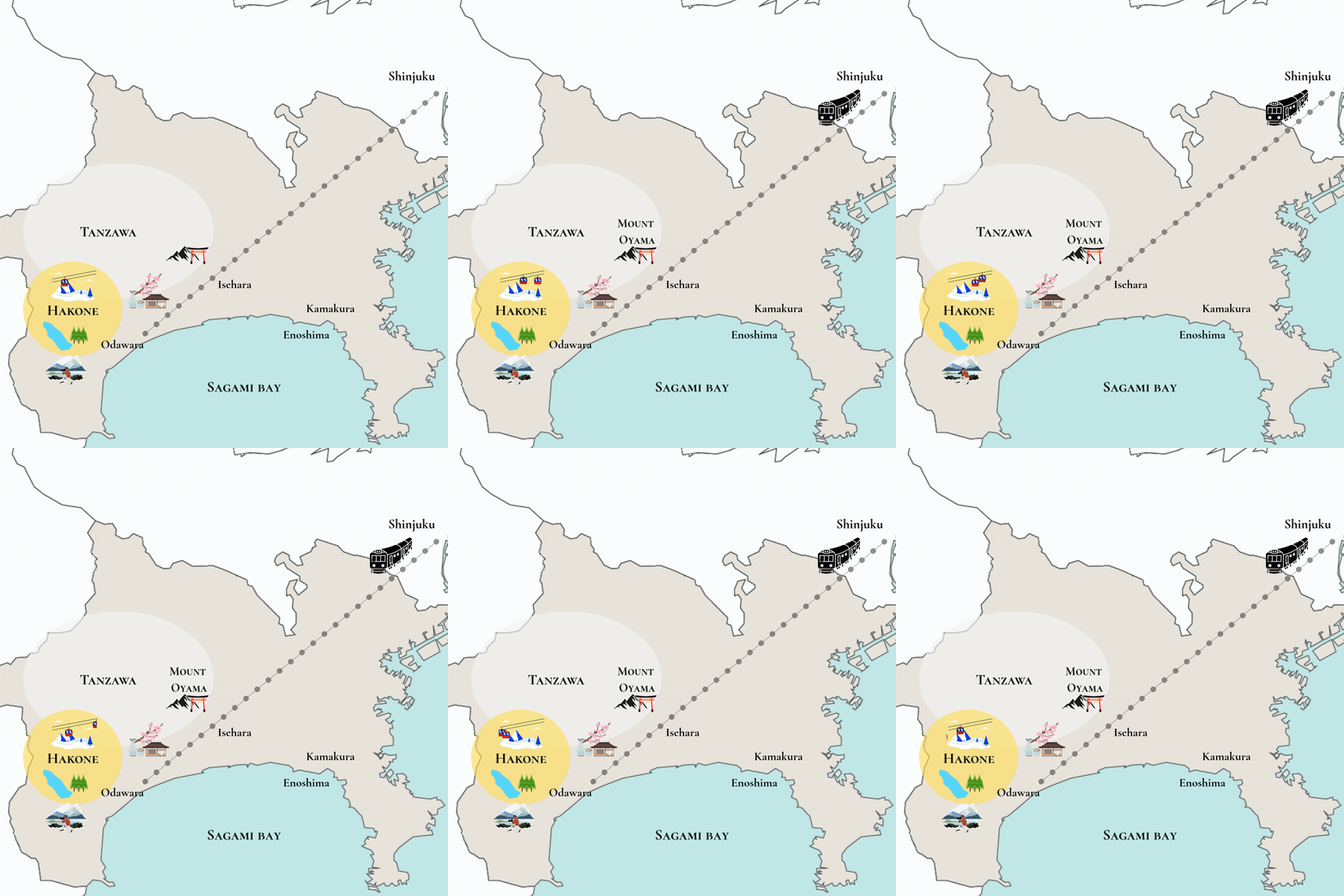
Around Hakone lie many towns and natural regions offering a wide variety of landscapes and atmospheres.
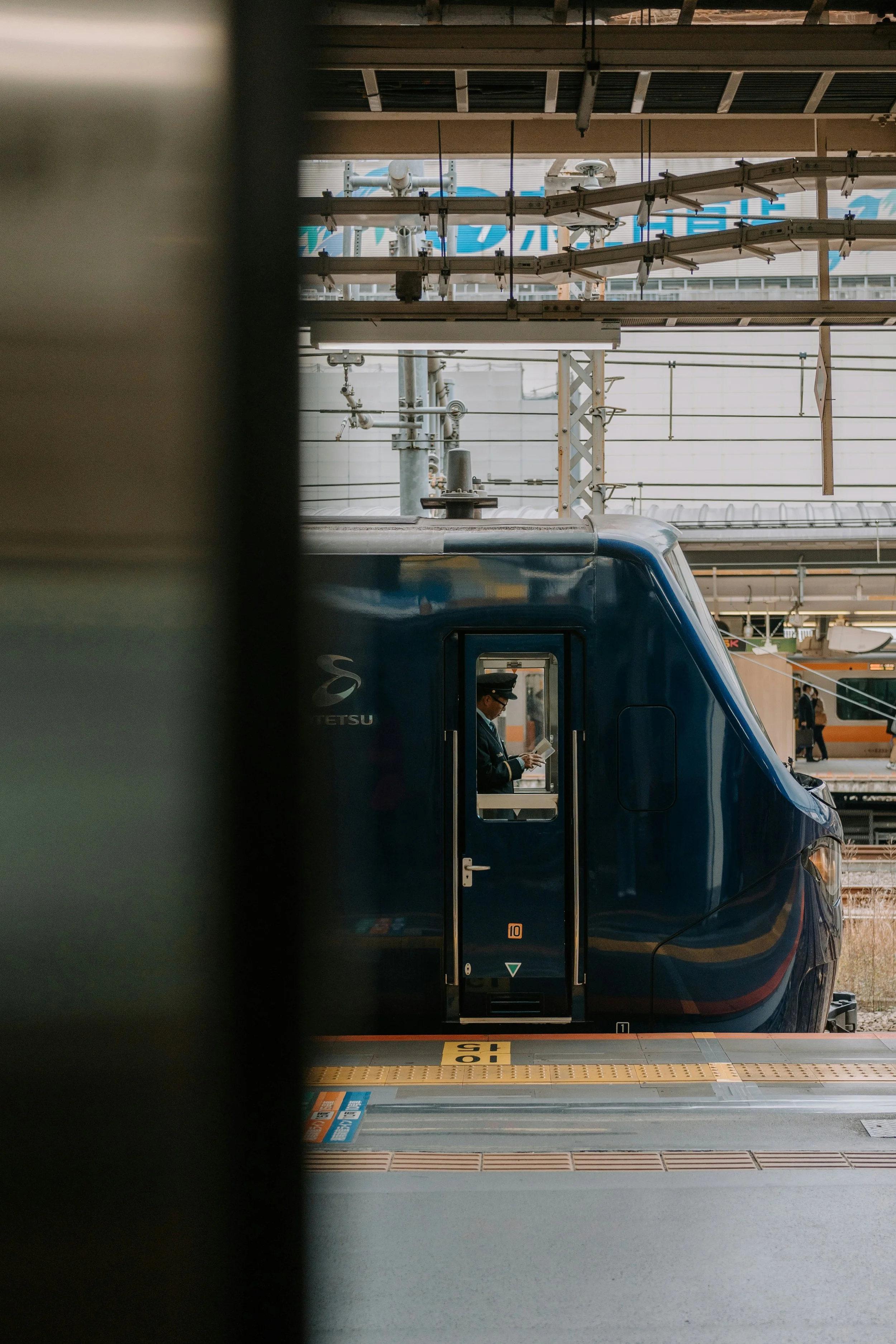
Thanks to its Shinkansen station, Odawara also serves as a convenient gateway to Kyoto, Osaka and western Japan. Building part of a journey around Odawara and Hakone often allows travelers to experience a calmer and more local rhythm of Japan.
Here are a few places and atmospheres in this region that I personally particularly enjoy.
The Motohakone Area &
The Hakone Open-Air Museum
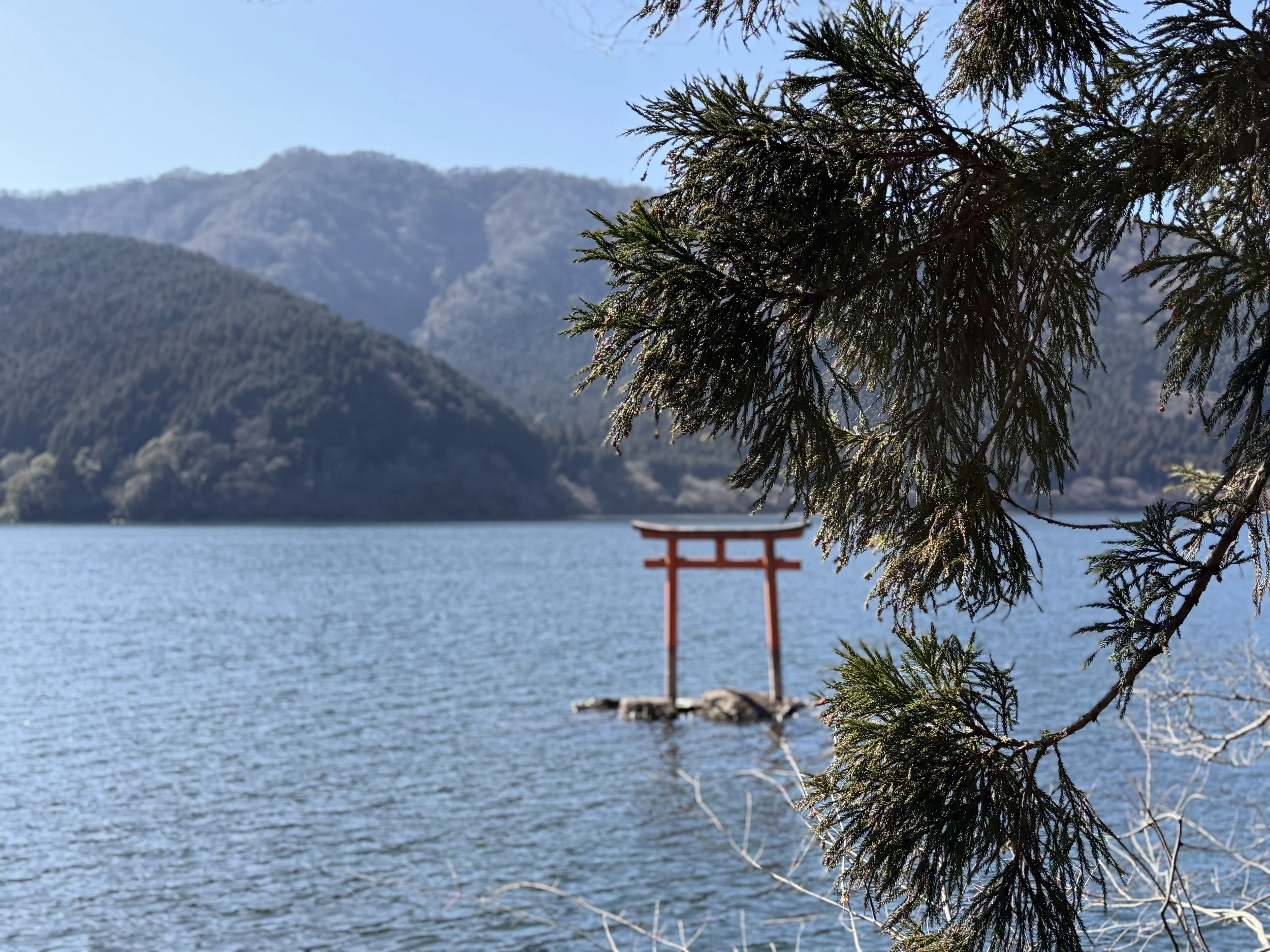
Today, Hakone attracts a very large number of visitors from all generations and nationalities. During peak travel seasons, certain attractions such as the ropeway or the sightseeing boats on Lake Ashi can become extremely crowded.
Hakone nevertheless remains a fascinating region, but its points of interest are spread across a fairly wide area and getting around often takes time. In practice, it is difficult to explore everything in a single day. This is why I believe it is often more enjoyable to discover Hakone by area, each with its own atmosphere and rhythm.
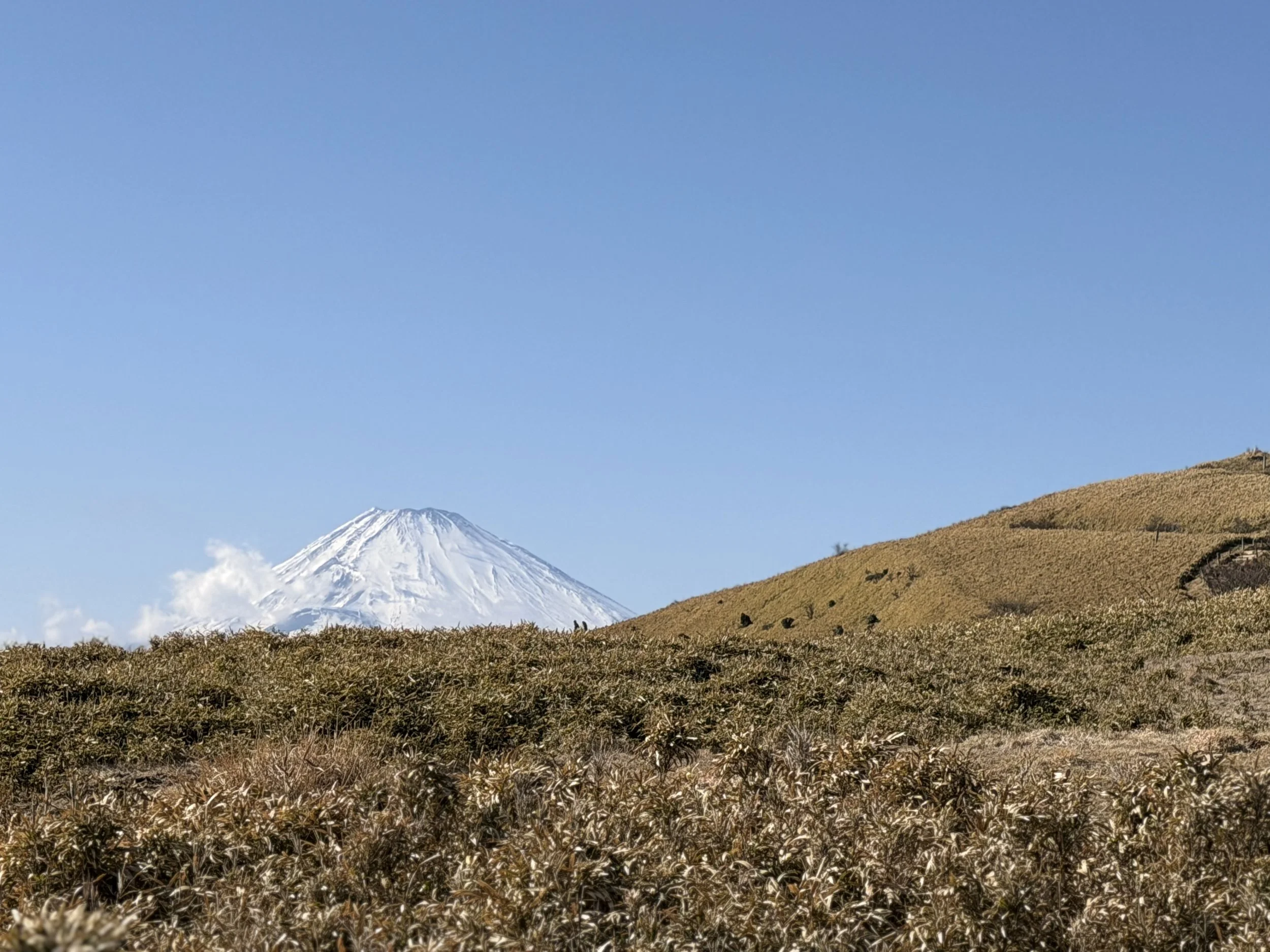
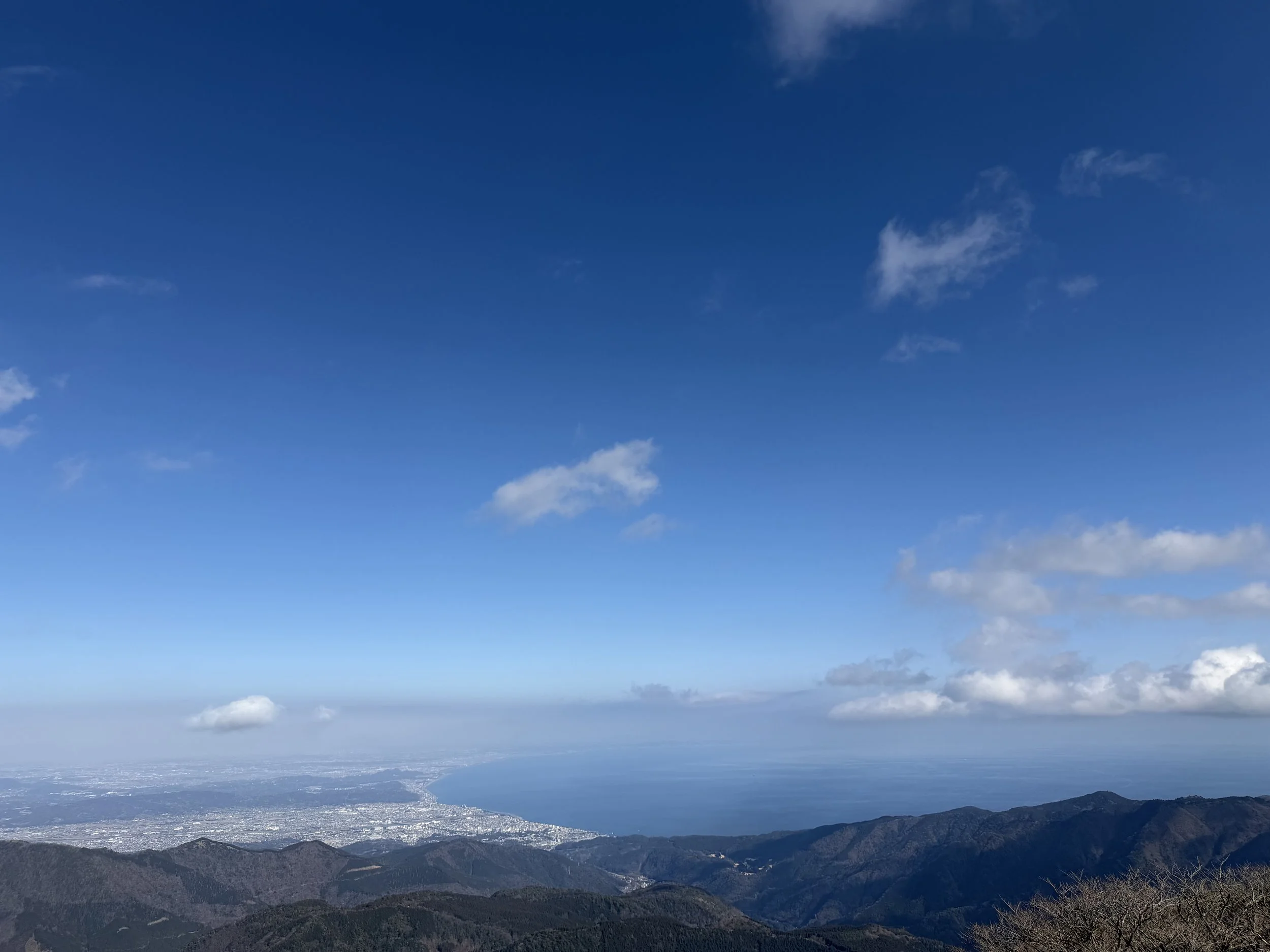
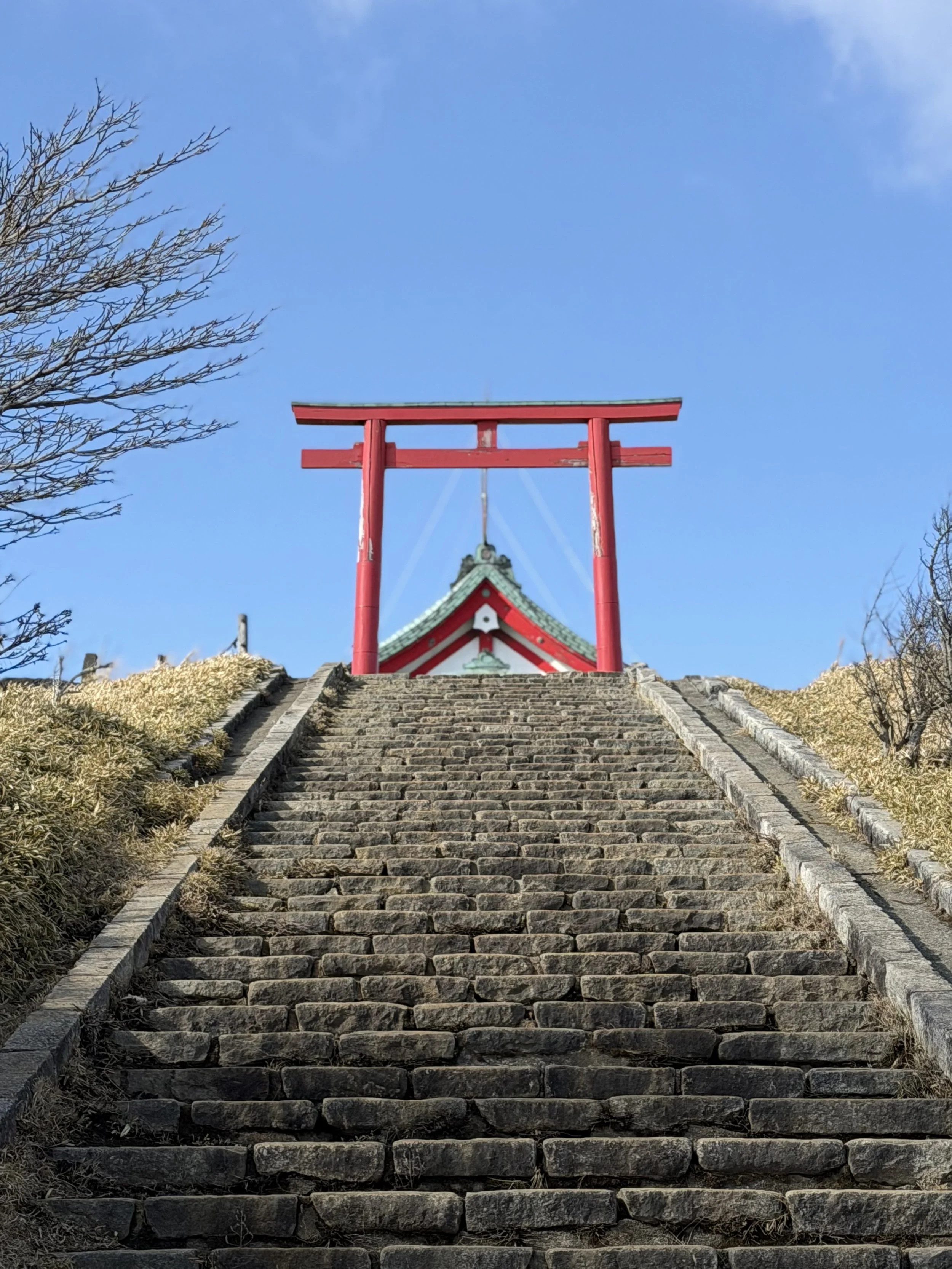
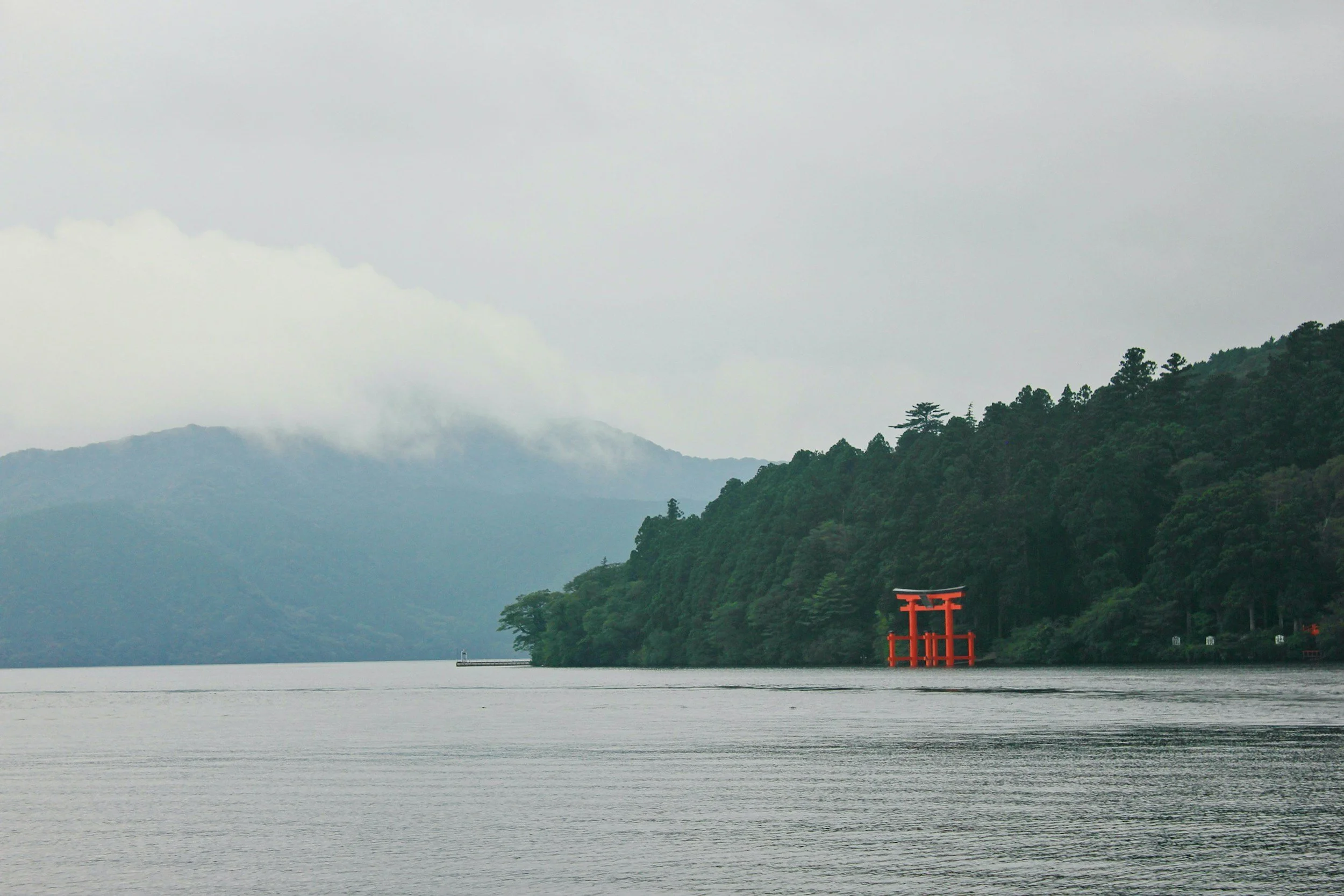
Torii of Hakone Mototsumiya
An ancient sacred site connected to Hakone’s mountain spirituality.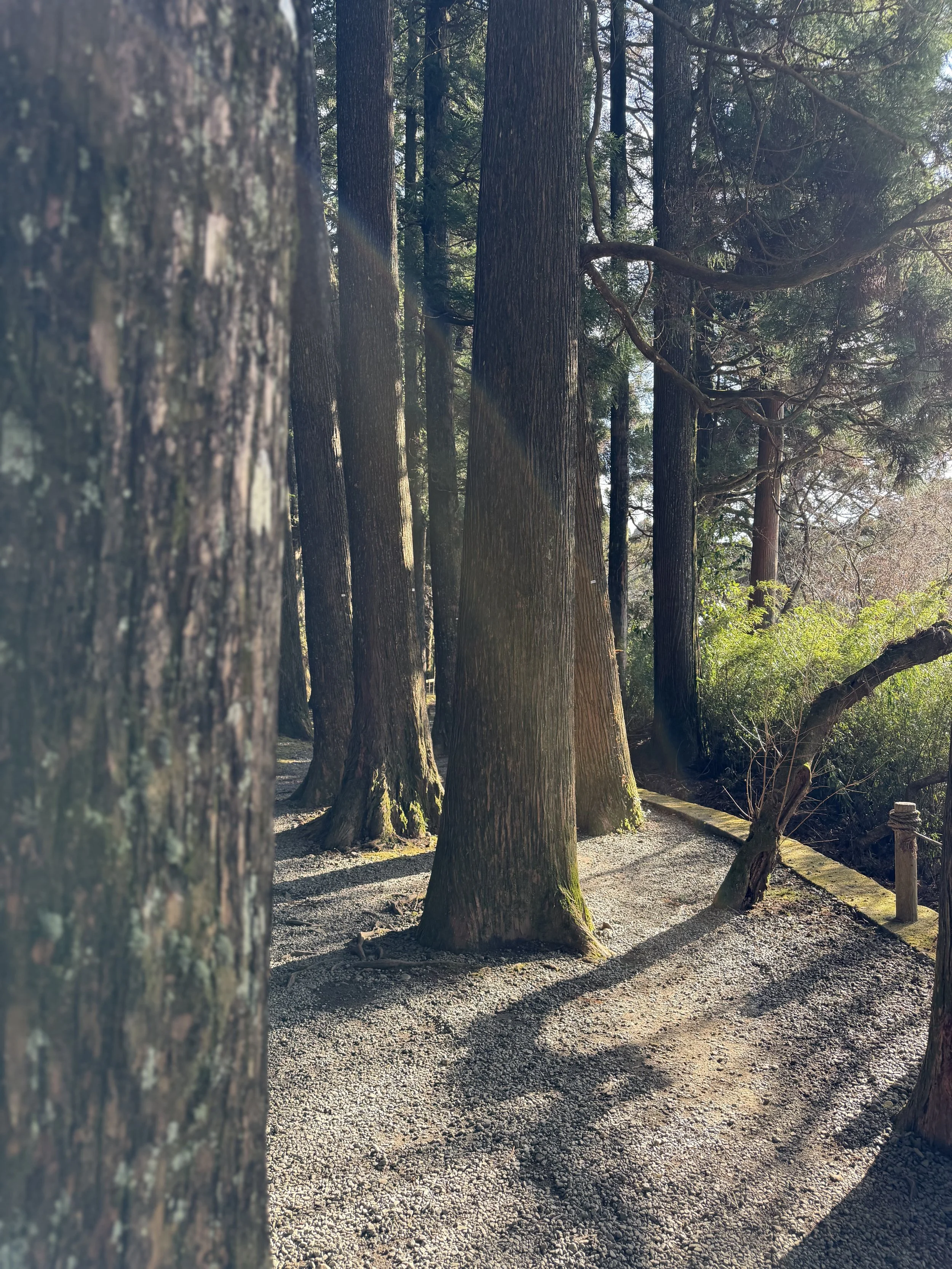
The Old Tokaido Cedar Avenue
A historic road lined with majestic cedar trees, once used by travelers journeying between Edo and Kyoto.For example, the Motohakone area is particularly well suited to those who wish to avoid the busiest parts of Hakone. During the cooler seasons, this area offers pleasant walks in a calmer and more peaceful atmosphere.
By contrast, the areas stretching from Hakone-Yumoto to Gora are livelier, with souvenir shops, cafés, museums and various cultural experiences that can be enjoyed throughout the day.
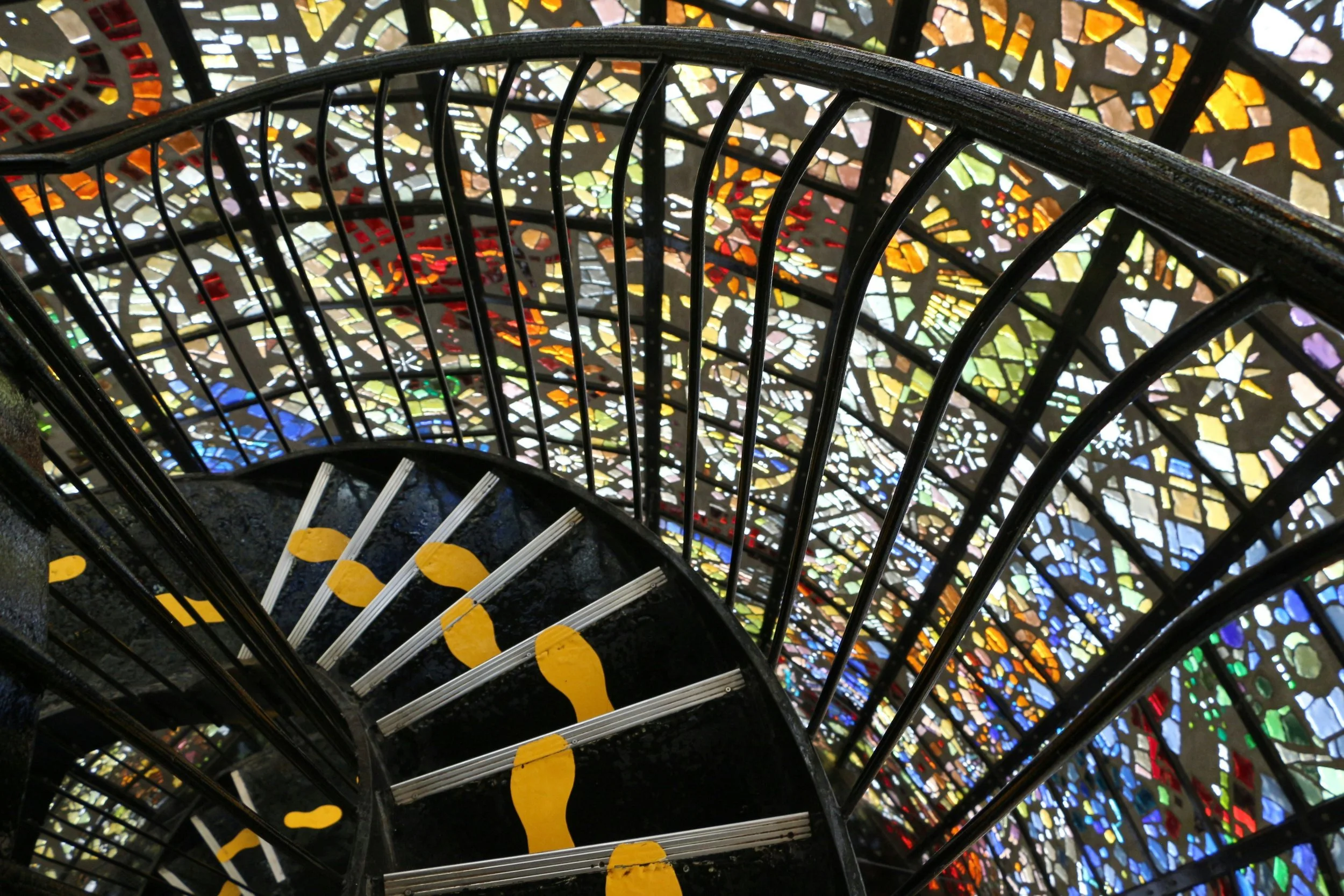
The Hakone Open-Air Museum
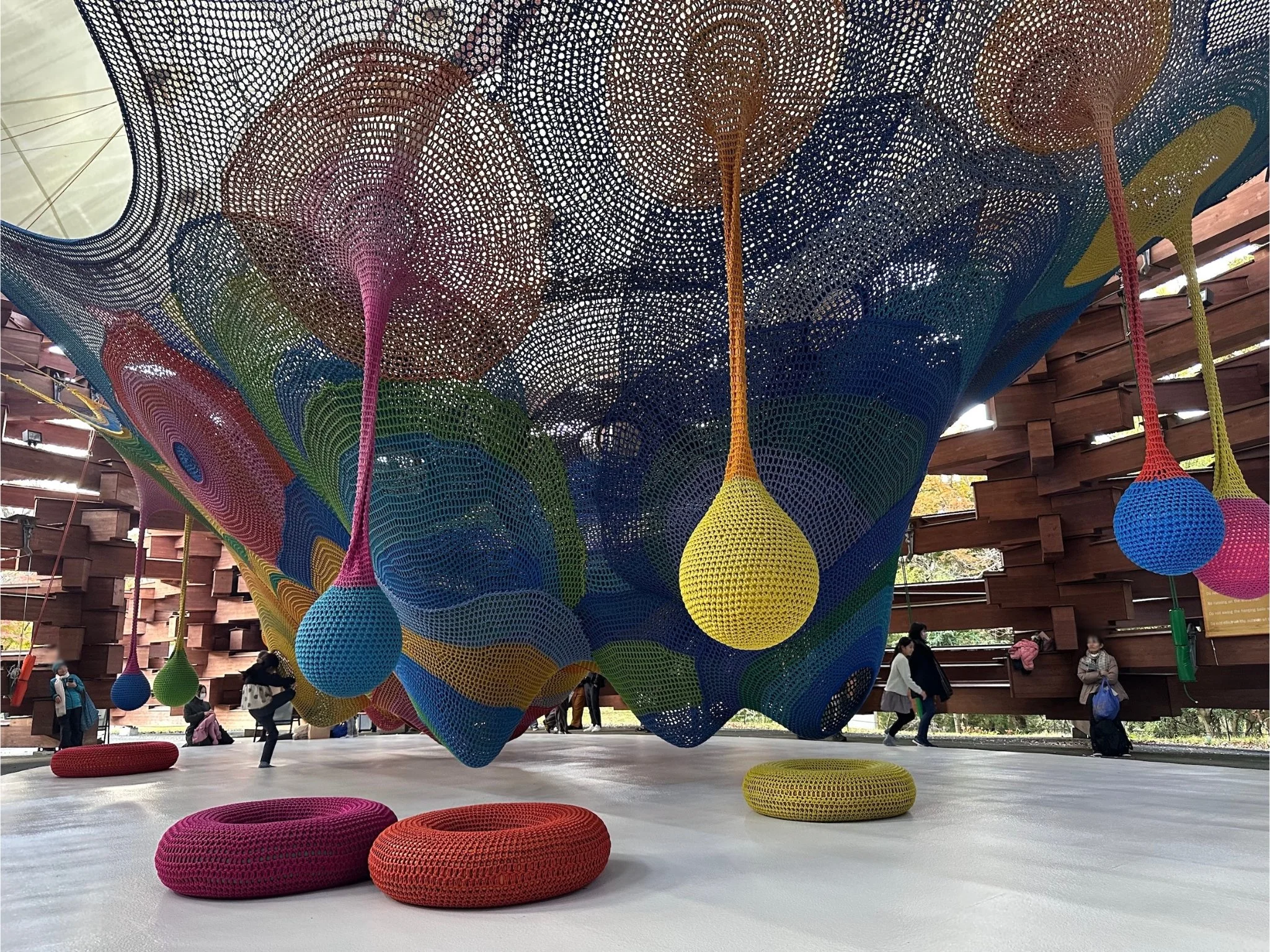
For families with young children, the Hakone Open-Air Museum is also a wonderful place to visit. Areas such as the “Woods of Net” and the “Star Garden” maze often allow children to fully enjoy the day while discovering art and mountain landscapes at the same time.
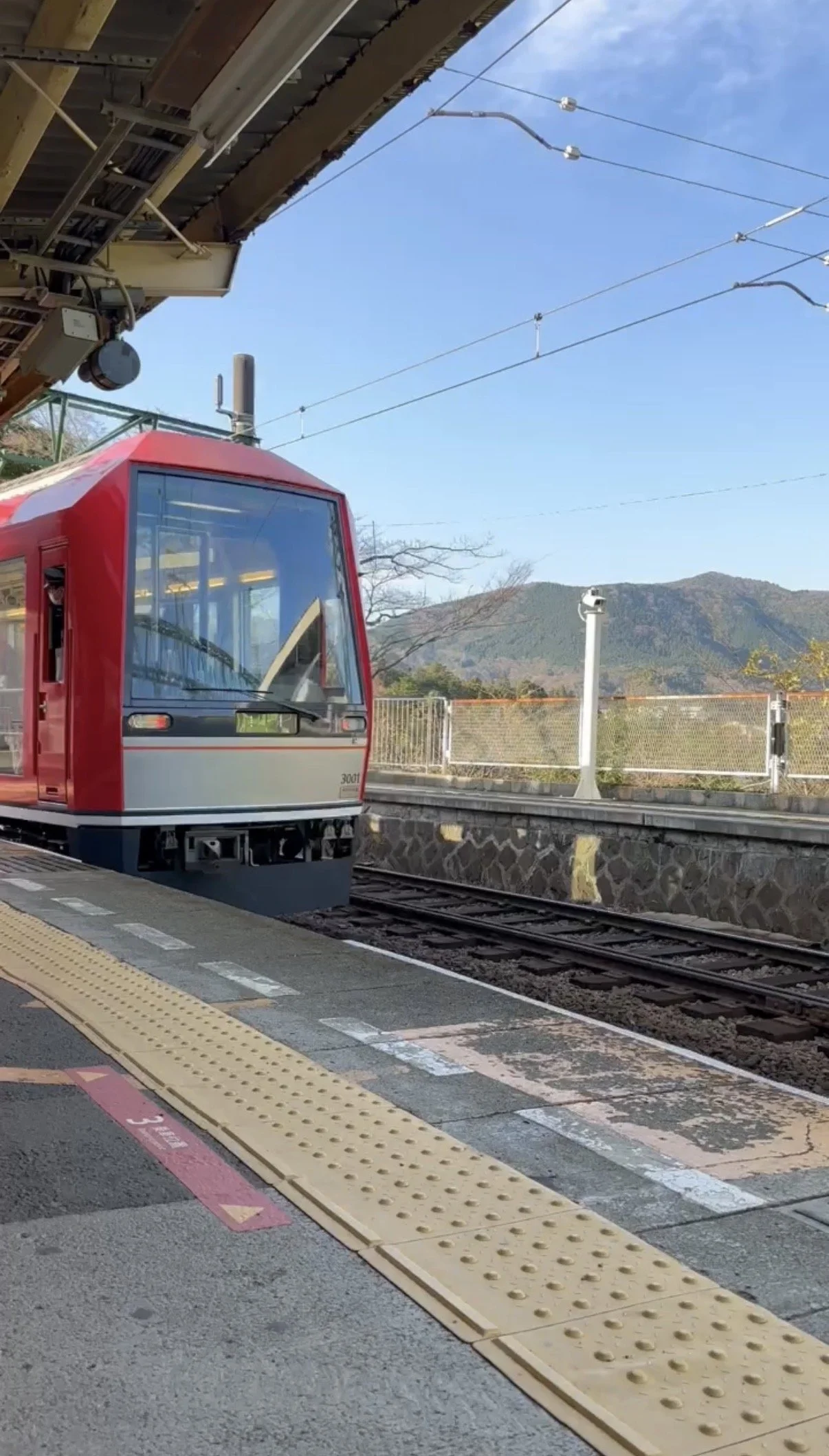
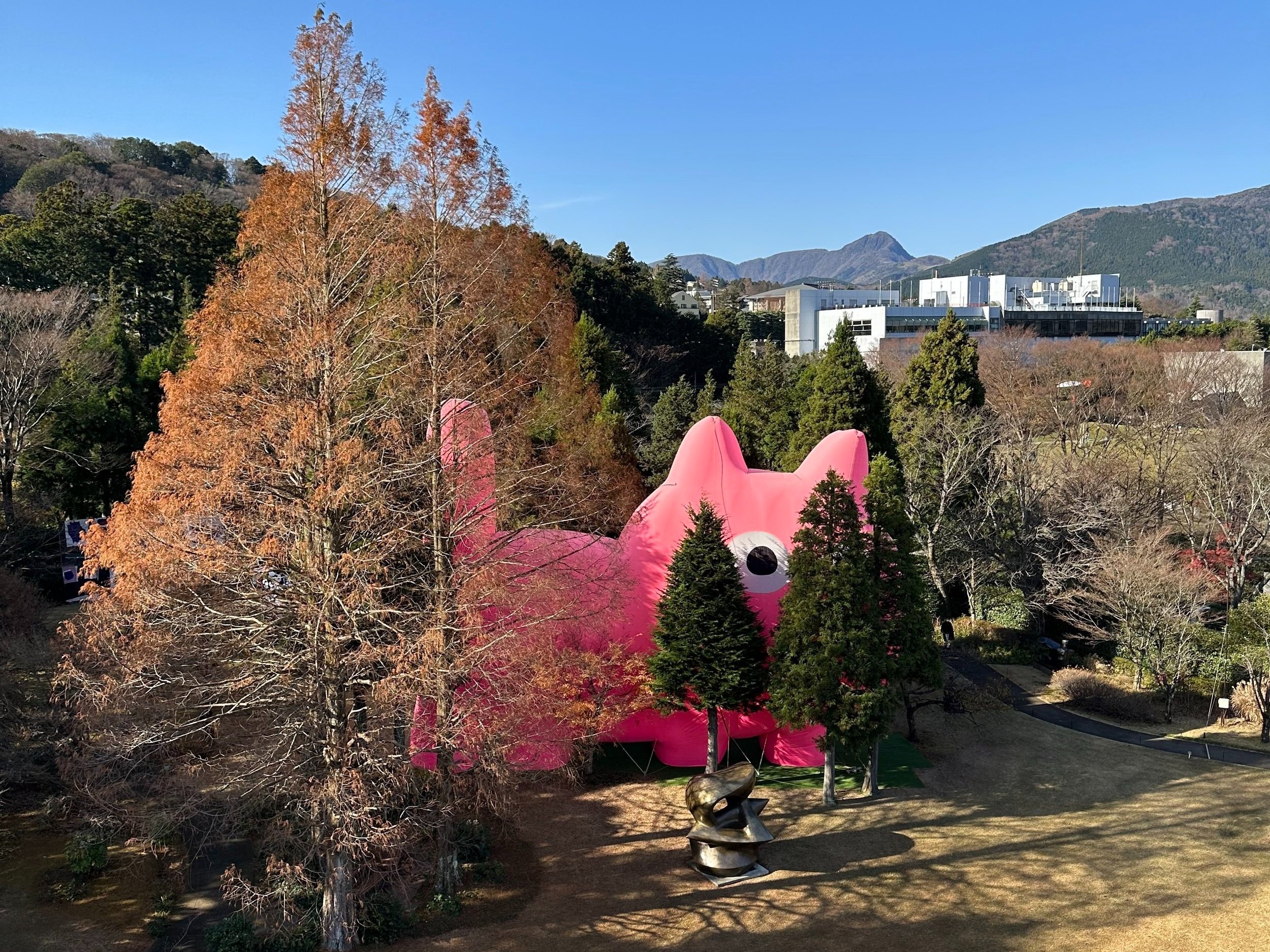
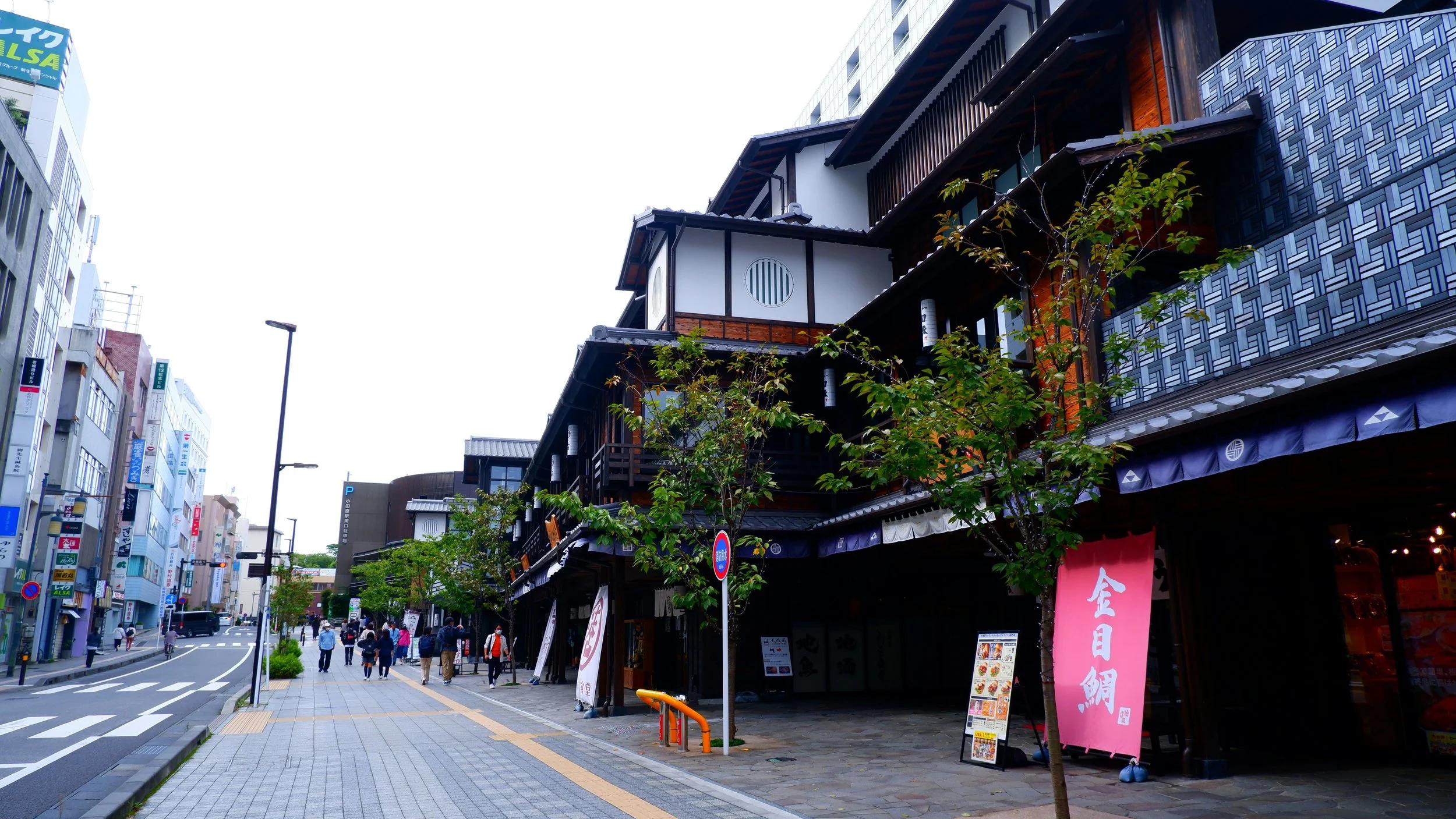
After the volcanic landscapes of Hakone, the atmosphere gradually changes as one descends toward Odawara and the coastal regions.
Odawara & Regional Escapes
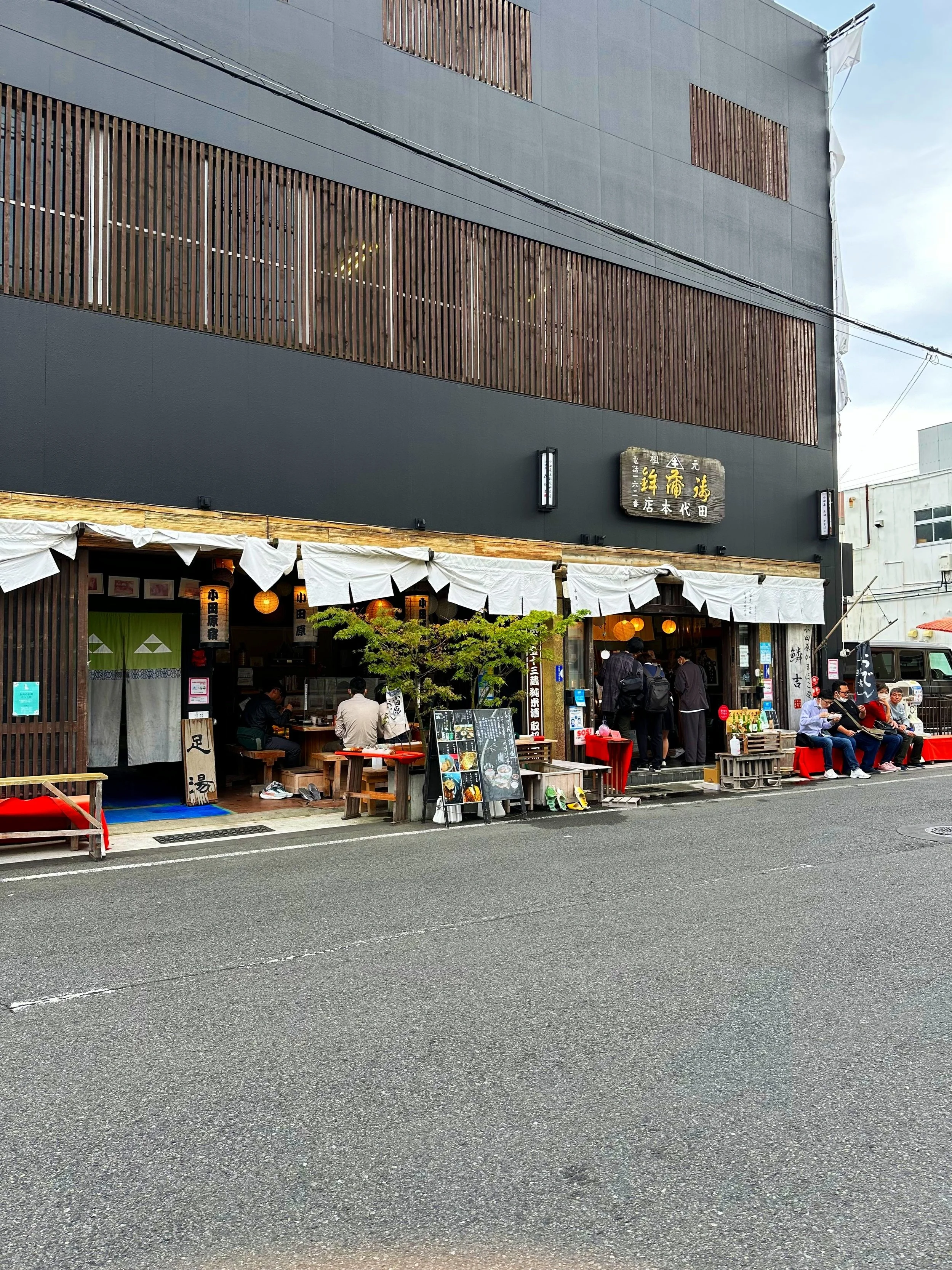
Odawara is a former post town along the historic Tokaido route that once prospered as an important stop between Edo and Kyoto. Even today, this history can still be felt in the atmosphere of the streets, the old buildings and the local culture.
Unlike major metropolitan areas such as Tokyo, the city has preserved a calmer and more relaxed rhythm. Walking through the streets of Odawara, one easily comes across restaurants set inside historic buildings, cafés with an elegant atmosphere, and quieter shrines hidden throughout the city.
One of Odawara’s greatest pleasures is undoubtedly its food culture. Thanks to its proximity to the sea, it is possible to enjoy excellent sushi and seafood that often feel more local and accessible than in Tokyo. The izakaya are also known for the quality of their cuisine. Visitors can discover places blending tradition with more contemporary cooking, enjoy satsuma-age paired with Japanese sake, or simply stop by some excellent ramen restaurants.
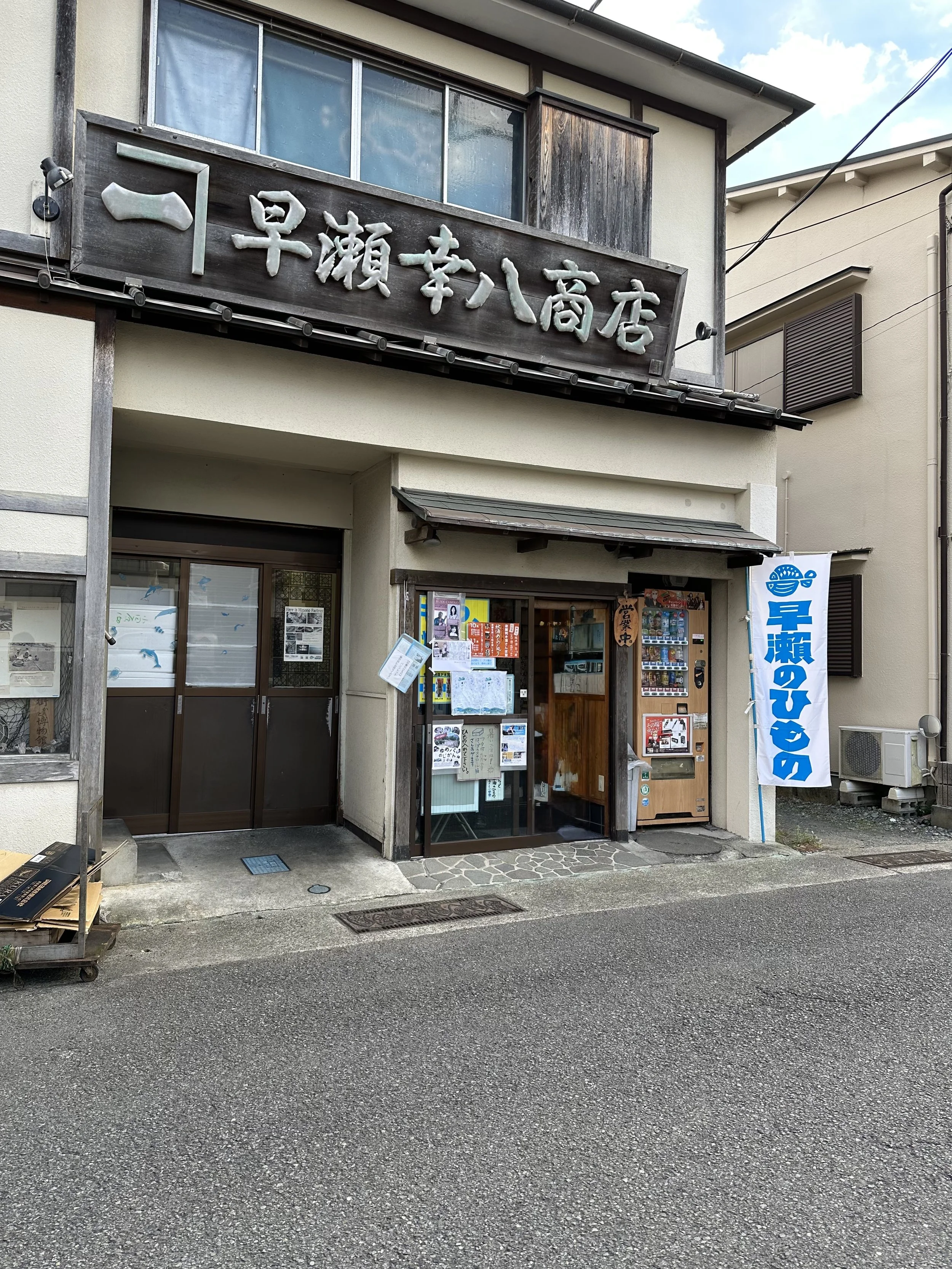
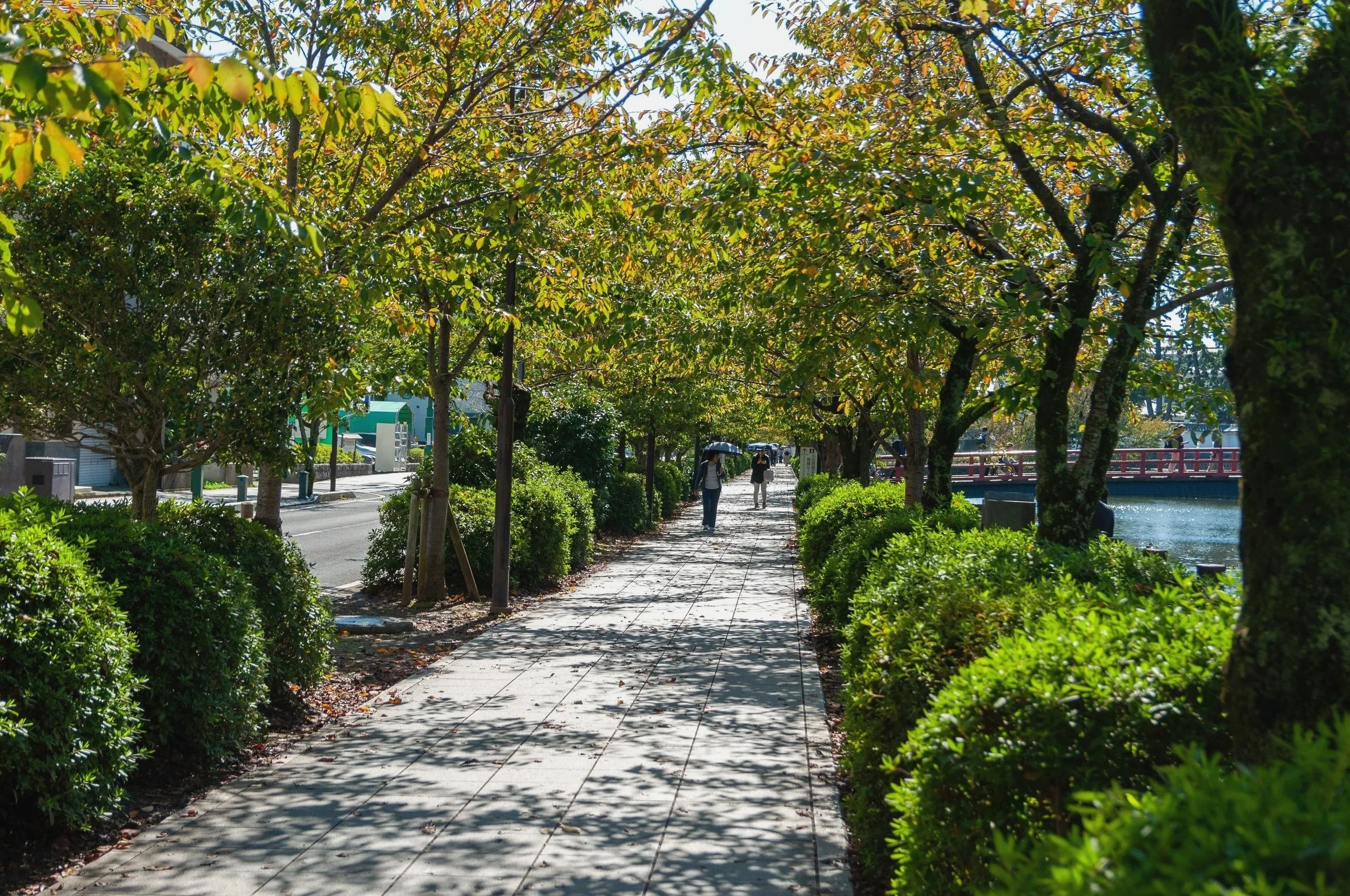

After lunch, it is pleasant to continue the day by wandering through the quieter streets of the city and discovering a more everyday rhythm of life.
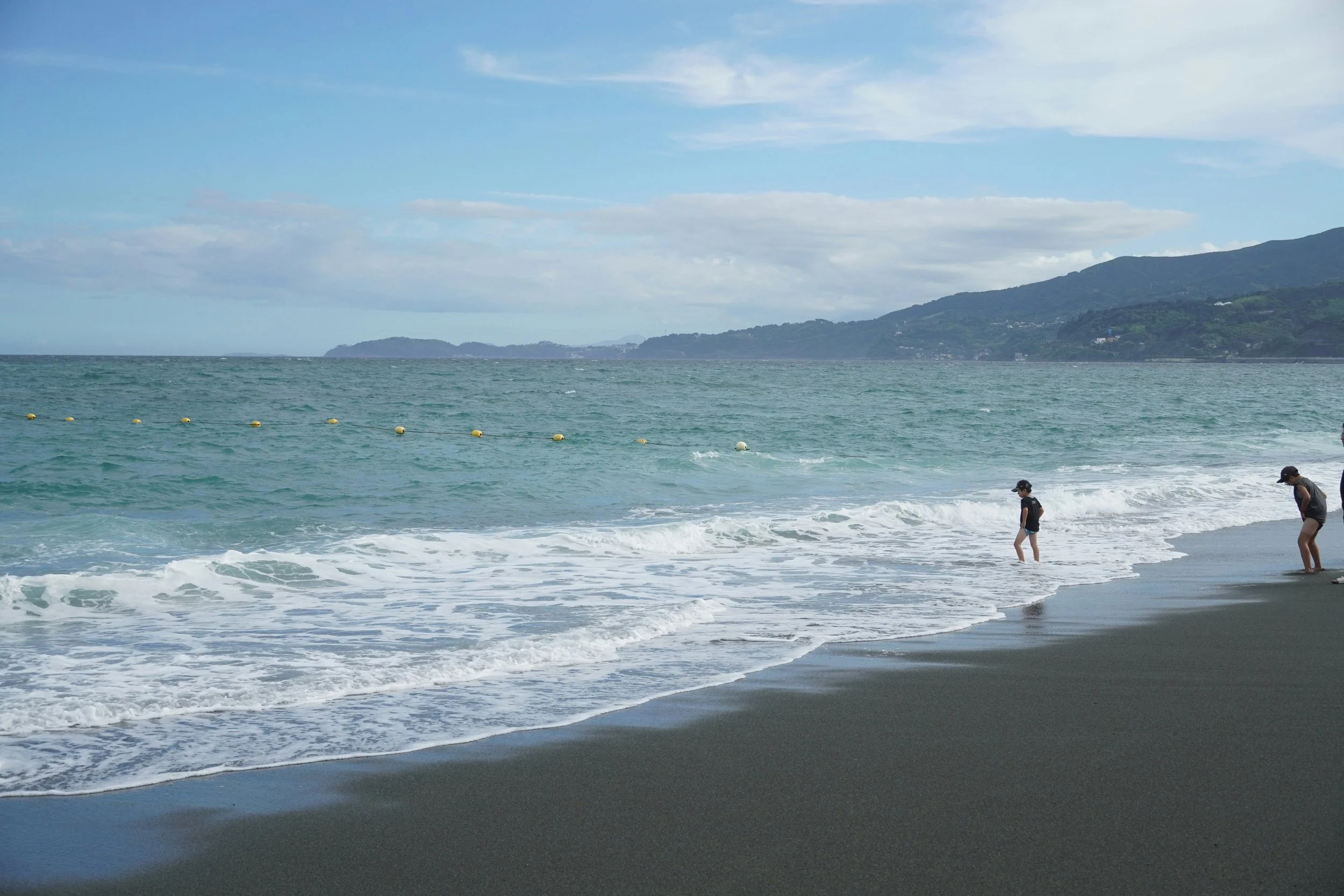
It is also very easy to reach the seaside and the beaches along the Pacific coast. For families, this can become an unexpected but very enjoyable part of the journey. Children sometimes end up playing in the sand longer than expected — and leaving with shoes full of sand — but those moments often become part of the travel memories as well.
Mount Ōyama —
Mountain Spirituality & a More Peaceful Rhythm
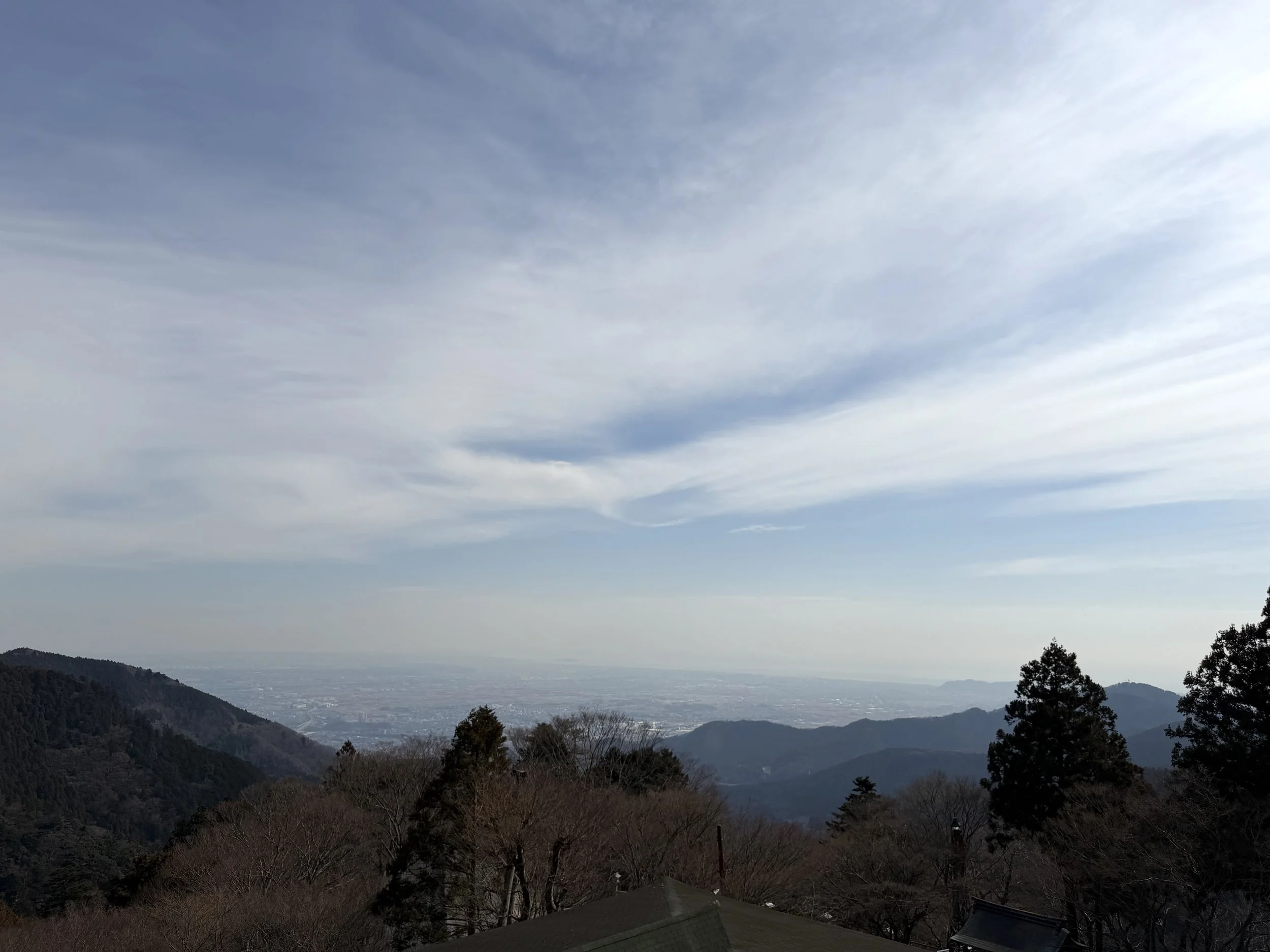
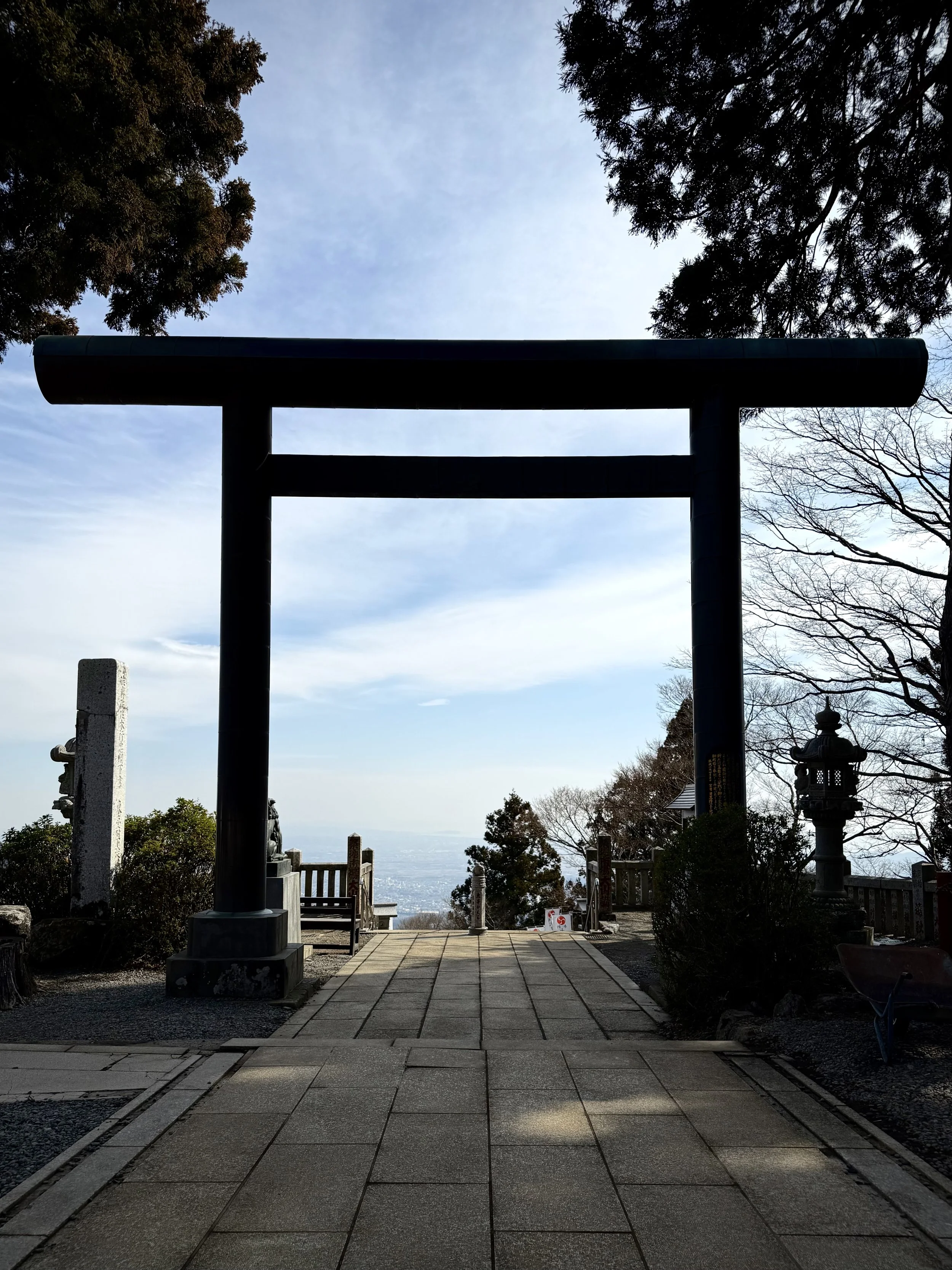
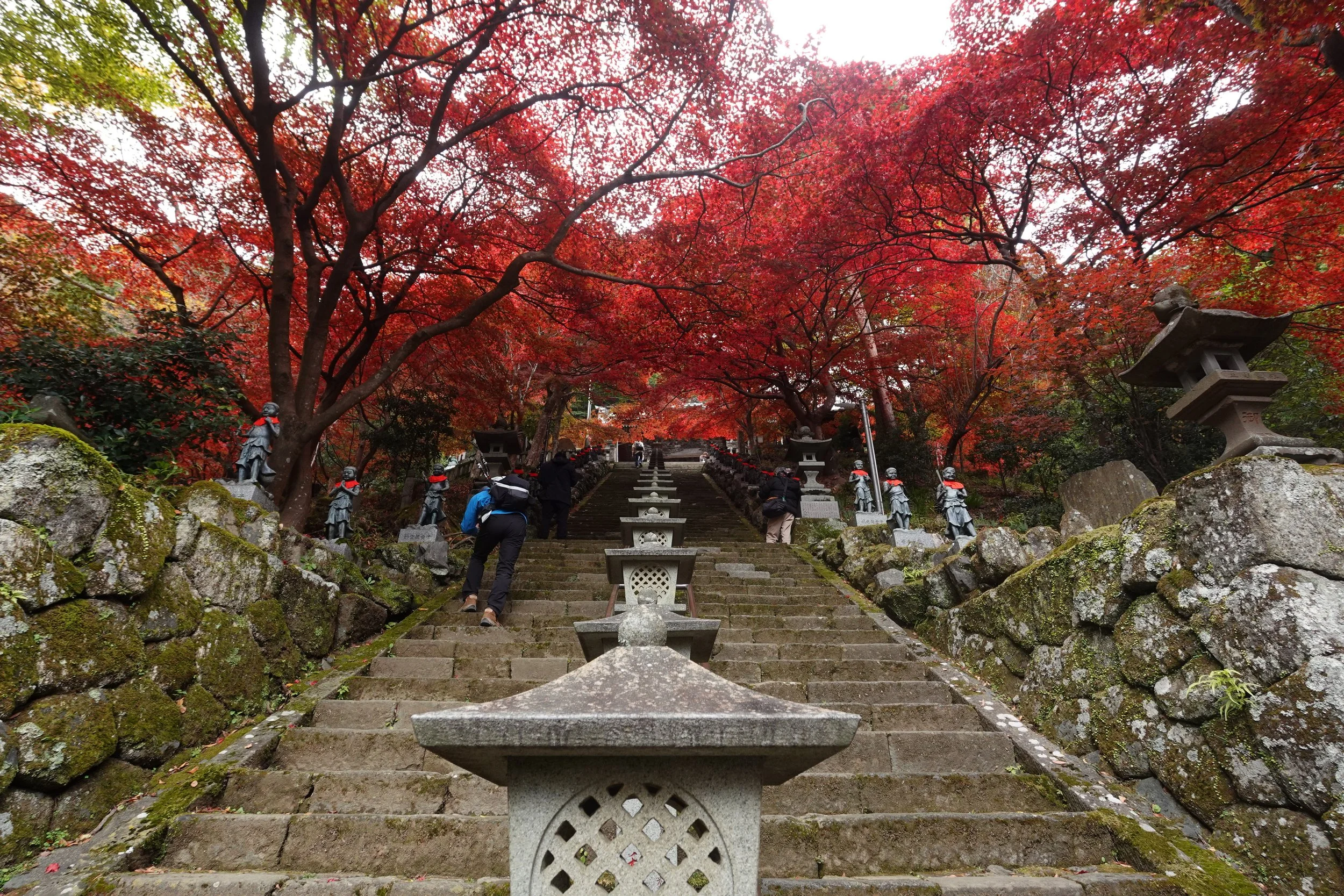
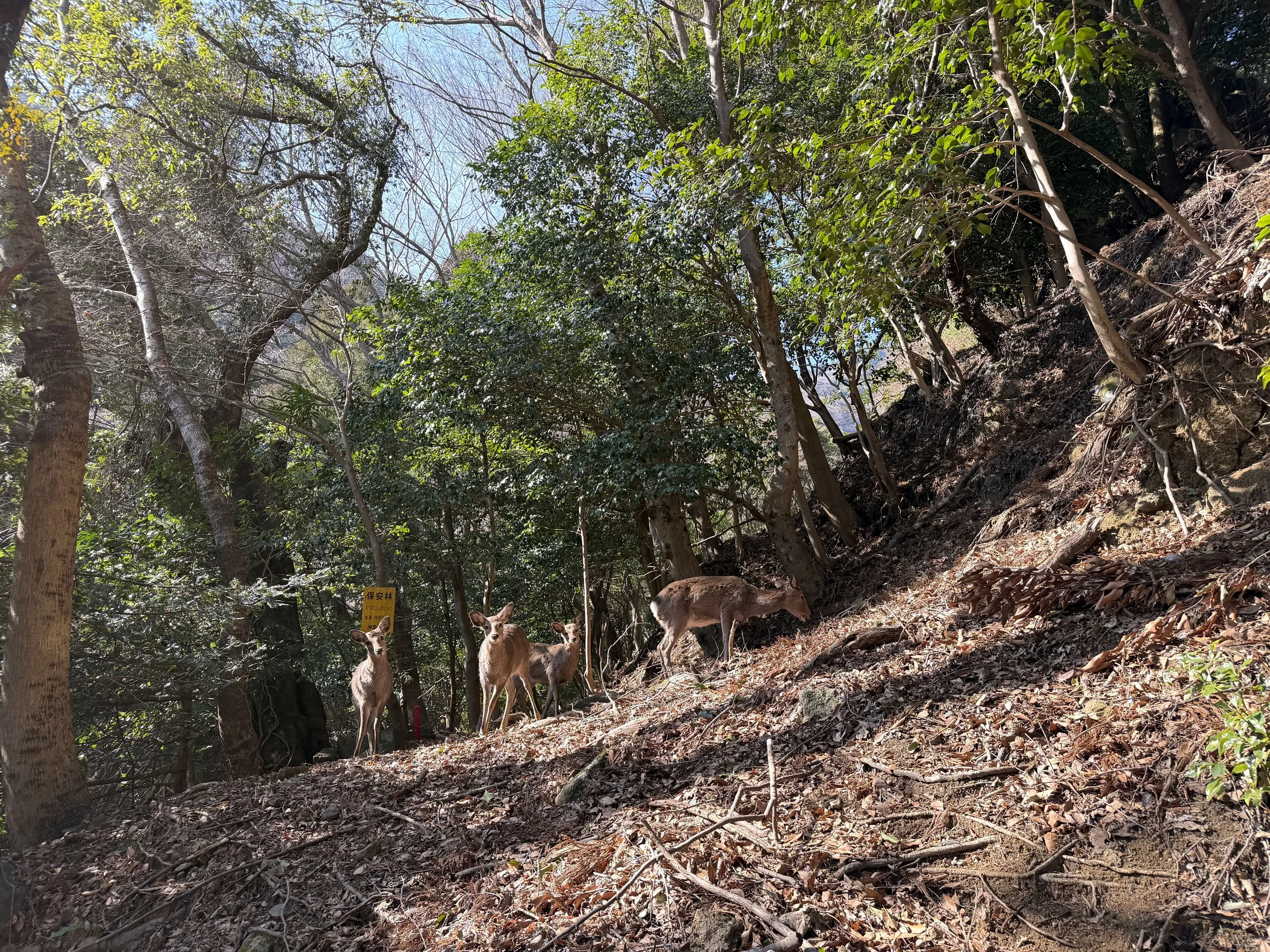
Located in the Tanzawa mountain range, Mount Ōyama is an ancient pilgrimage site that still preserves a particularly peaceful atmosphere today. Nature, spirituality and mountain landscapes blend together here in a rhythm far calmer than that of major tourist destinations.
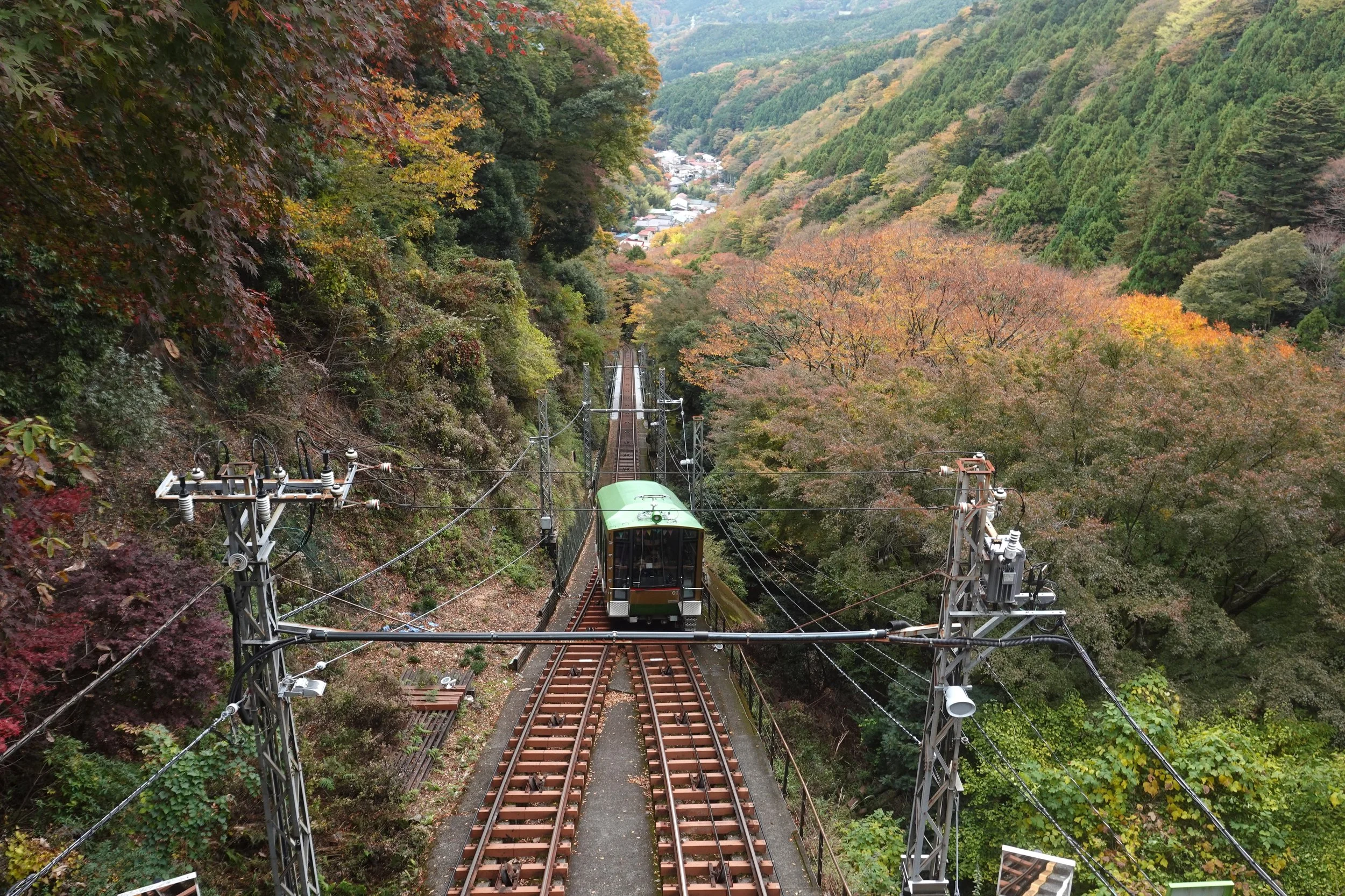
Thanks to the cable car, it is relatively easy to reach Afuri Shrine, from where the Sagami Bay can be admired on clear days.
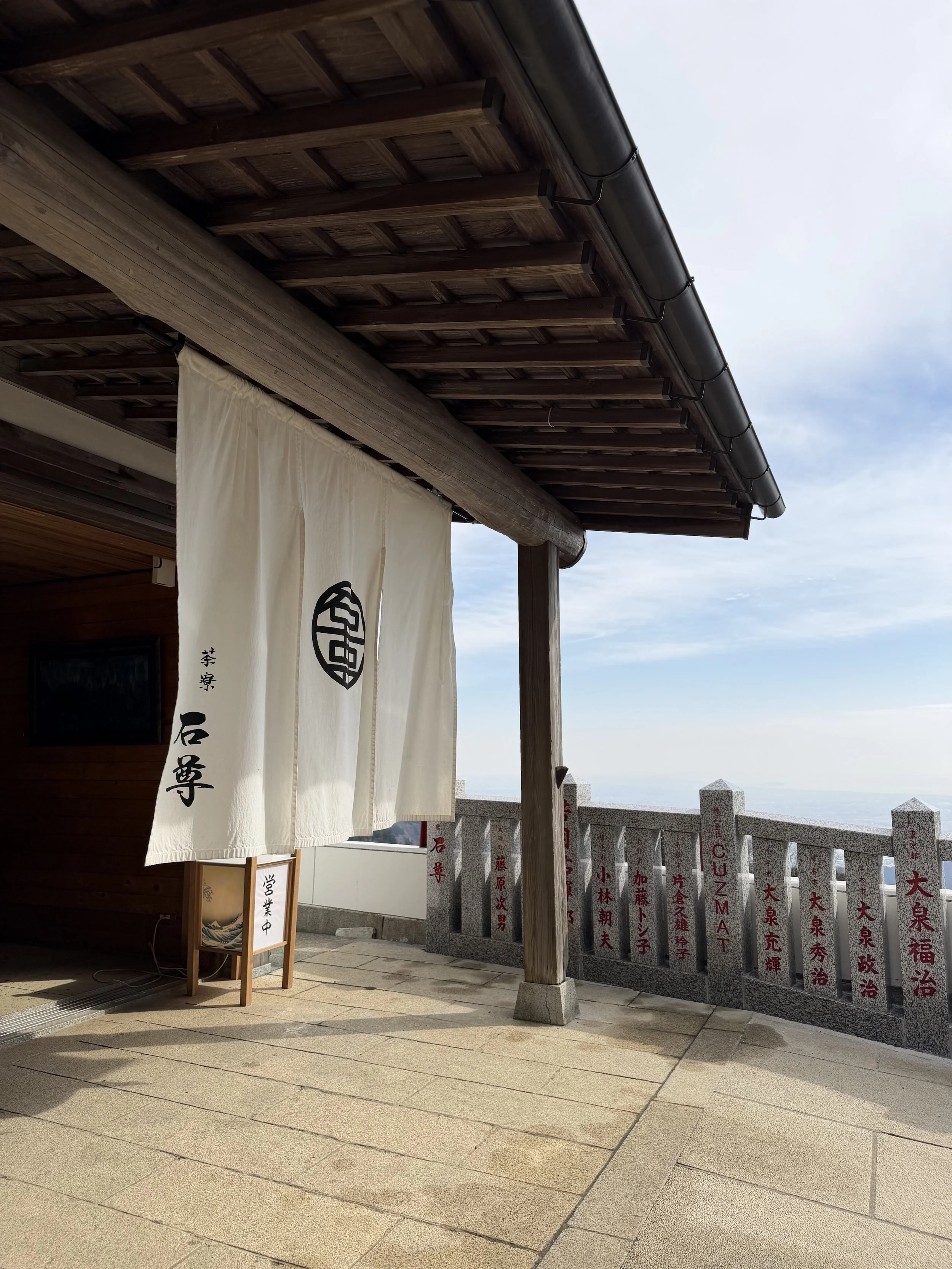
There is also a café designed by a renowned Japanese architect, where it is pleasant to take the time to enjoy a hojicha latte or a local craft beer, either on the terrace or inside a traditional Japanese-style space. It is not a spectacular or highly animated destination, but rather a place to quietly enjoy nature and a slower pace.
Rural Landscapes North of Odawara
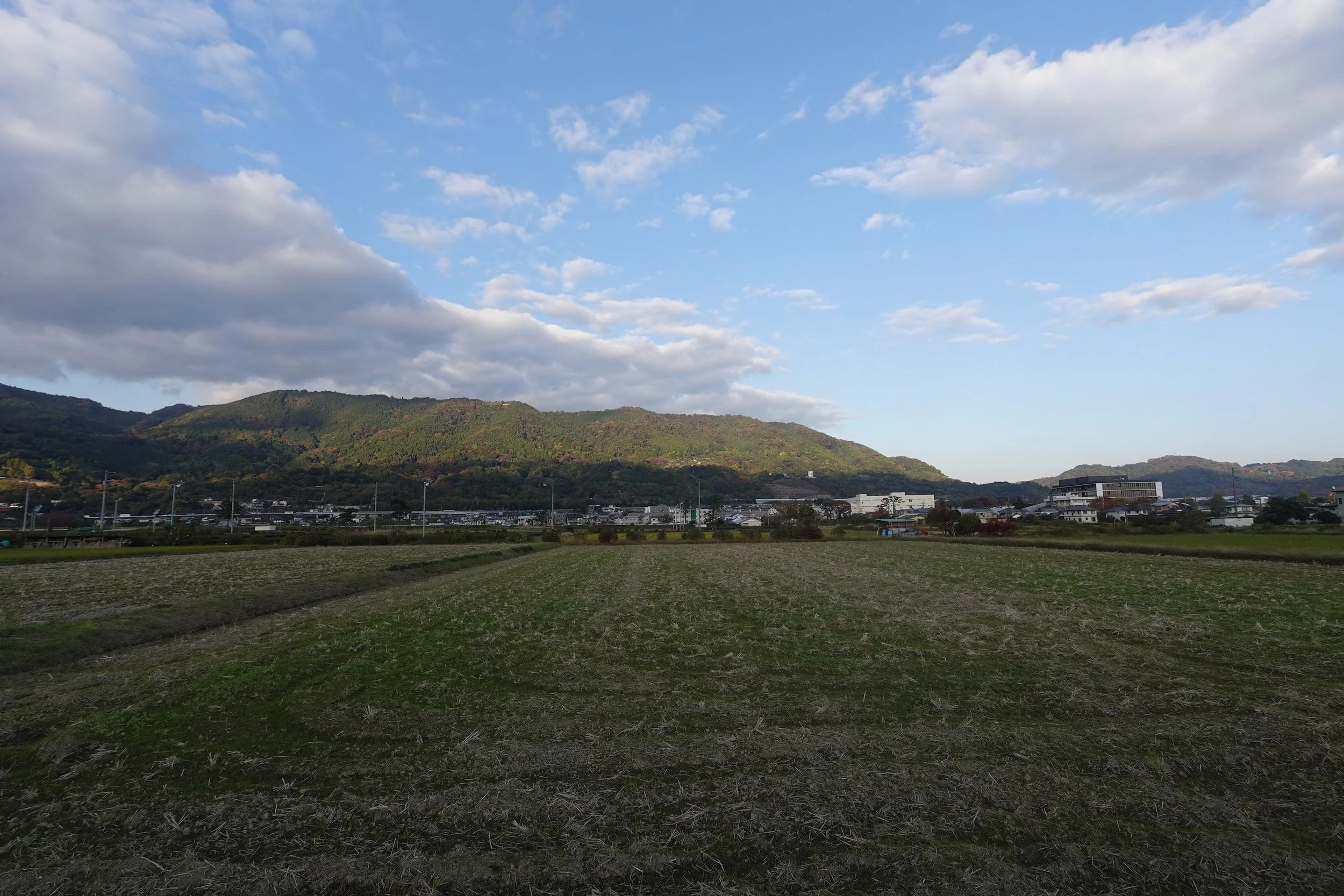
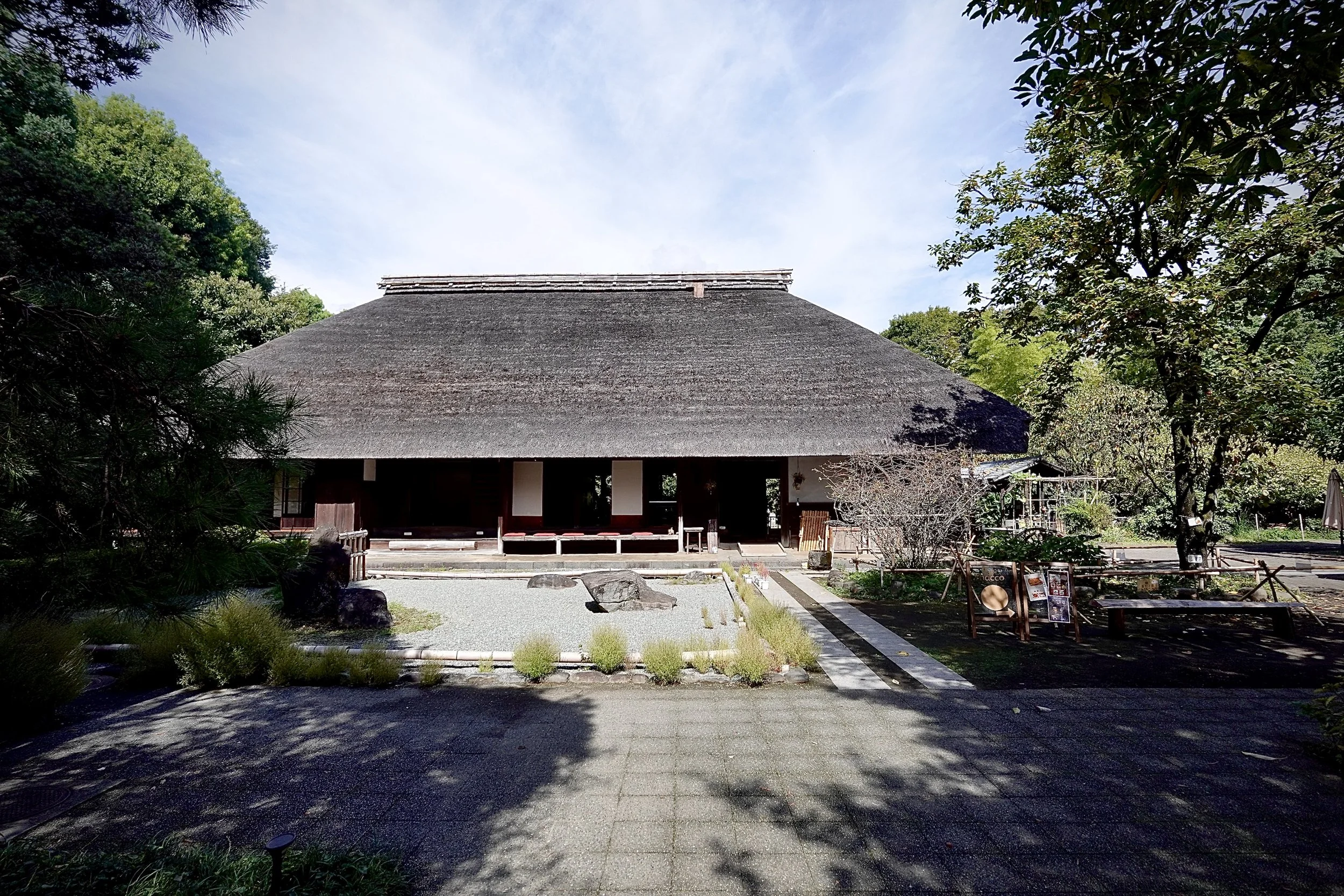
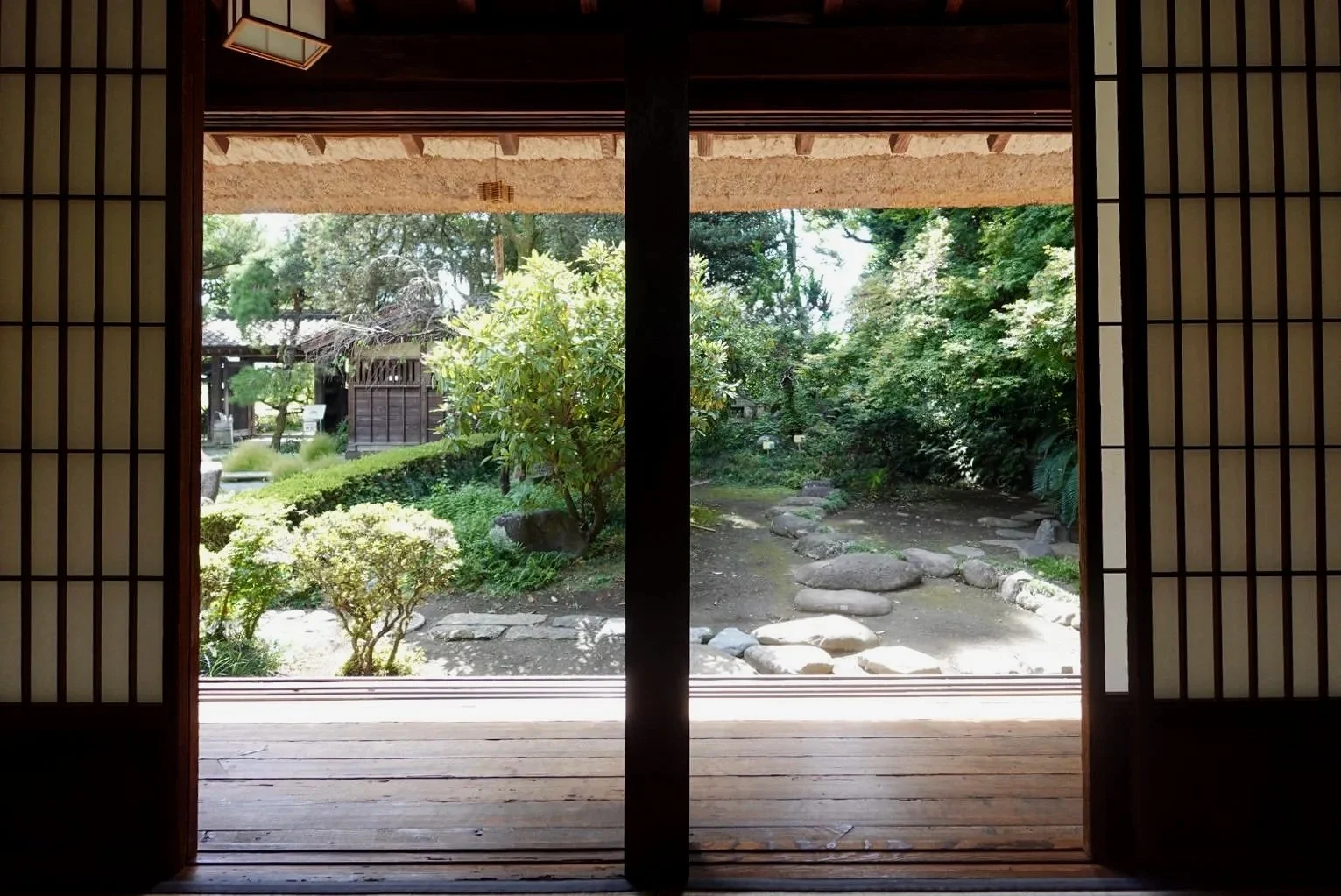
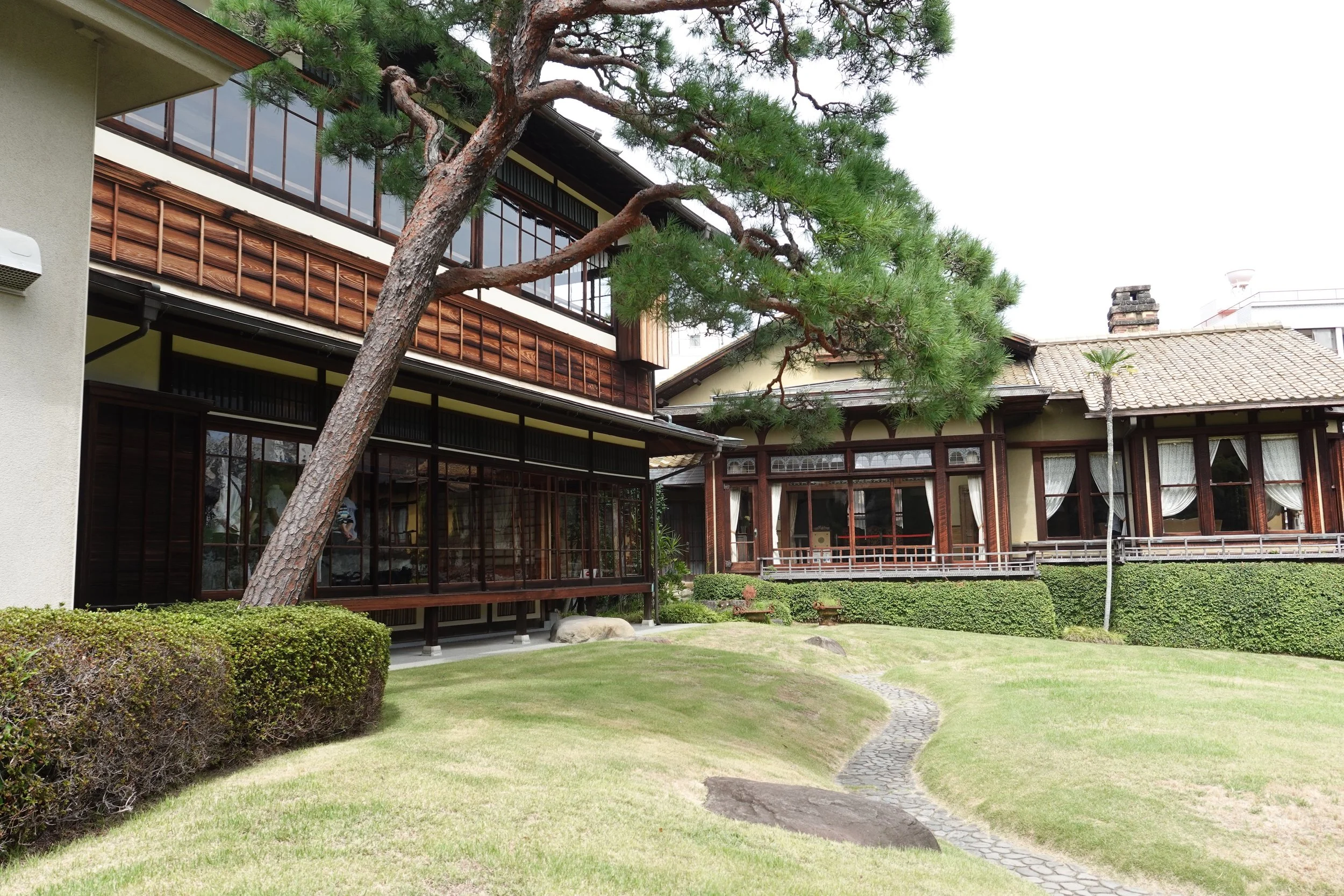
To the north of Odawara, several landscapes typical of the Japanese satoyama countryside can still be found today. Traditional thatched-roof houses, a sake brewery that has existed for more than two centuries, and tea fields offering tea-picking experiences all allow visitors to discover a quieter and more everyday side of Japan, far from the usual tourist routes.
Tasting sake served in wine glasses while overlooking a Japanese garden can become one of the most memorable moments of the journey.
The scenery also changes greatly throughout the seasons: cherry blossoms in spring, hydrangeas in early summer, golden rice fields after summer, and autumn colors spreading across the surrounding mountains.
Atami —
Between Retro Atmosphere and Creative Renewal
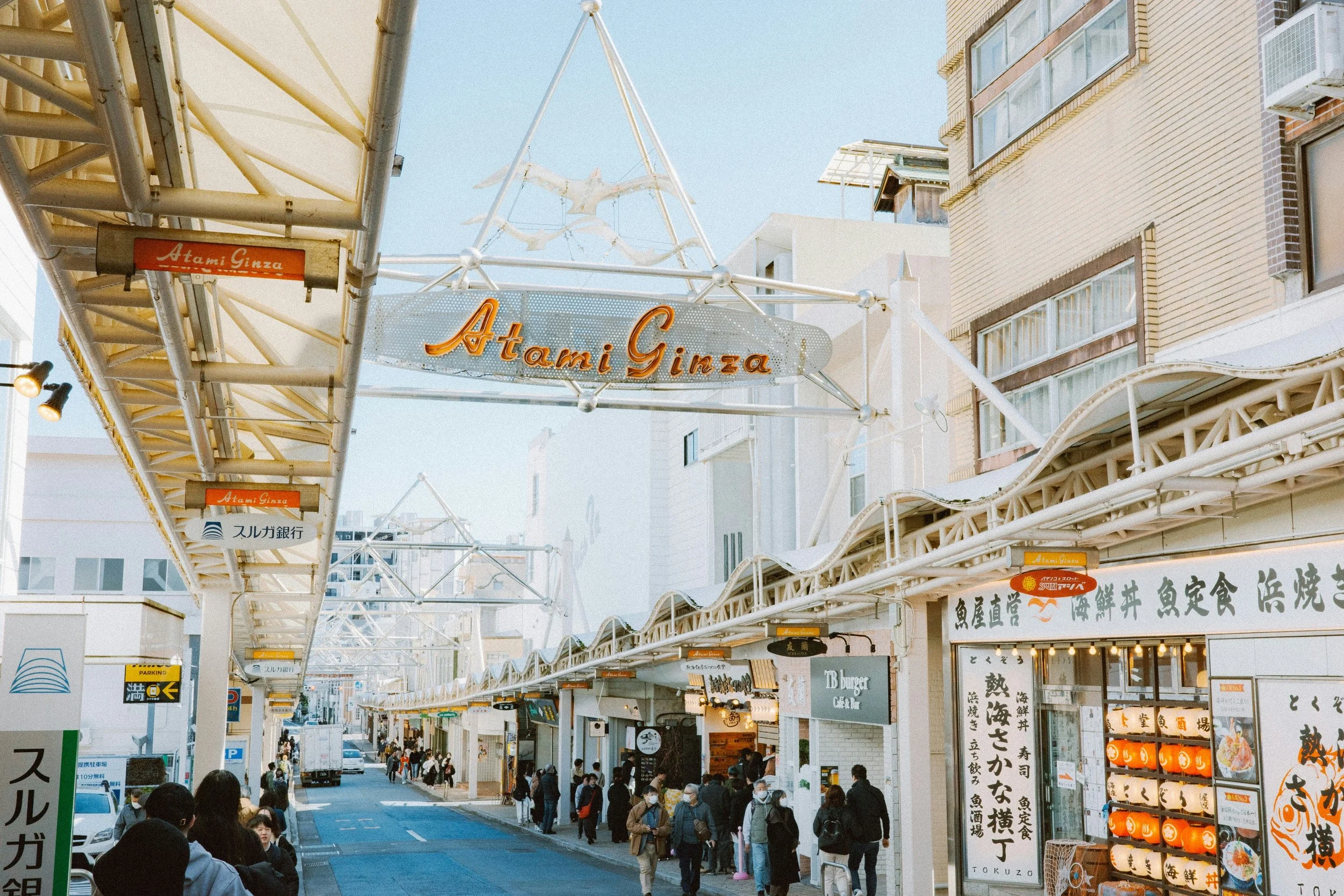
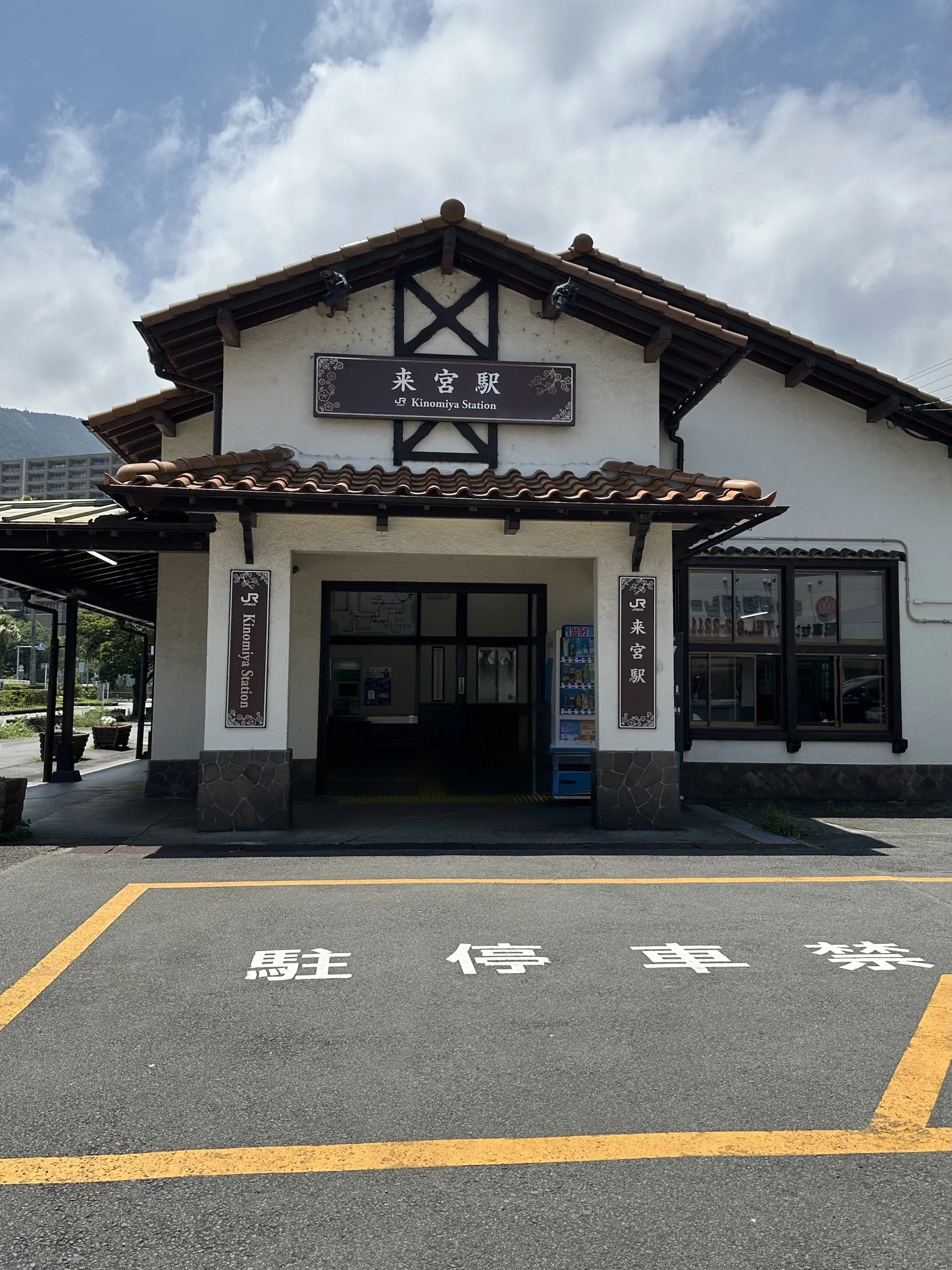
About twenty minutes from Odawara by train, Atami is a seaside hot spring town located along the Pacific coast.
During the 1980s, it was considered one of Japan’s most famous tourist destinations. After the collapse of the economic bubble, however, the city experienced a major decline in tourism and for many years became associated with the image of aging hot spring resorts.
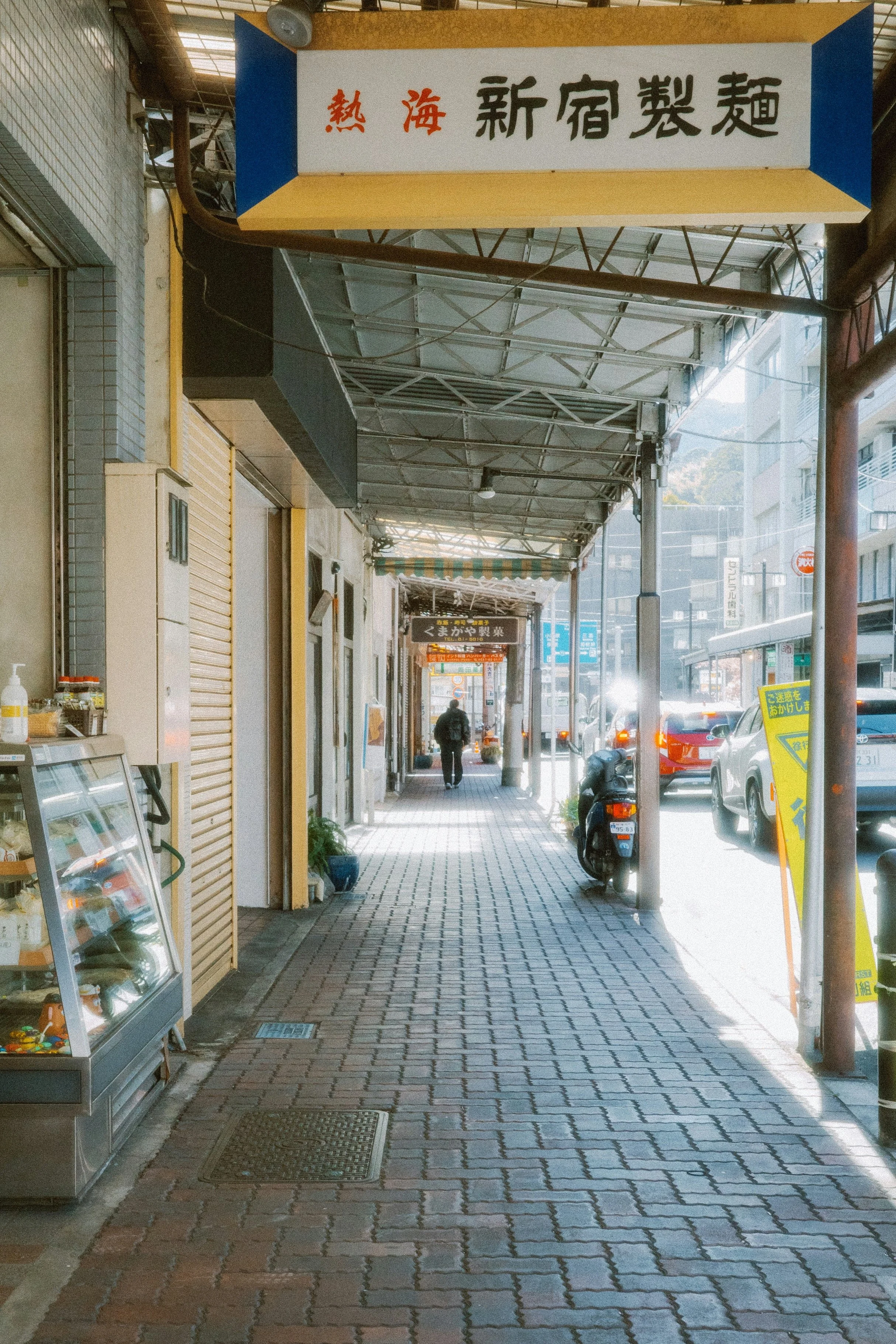
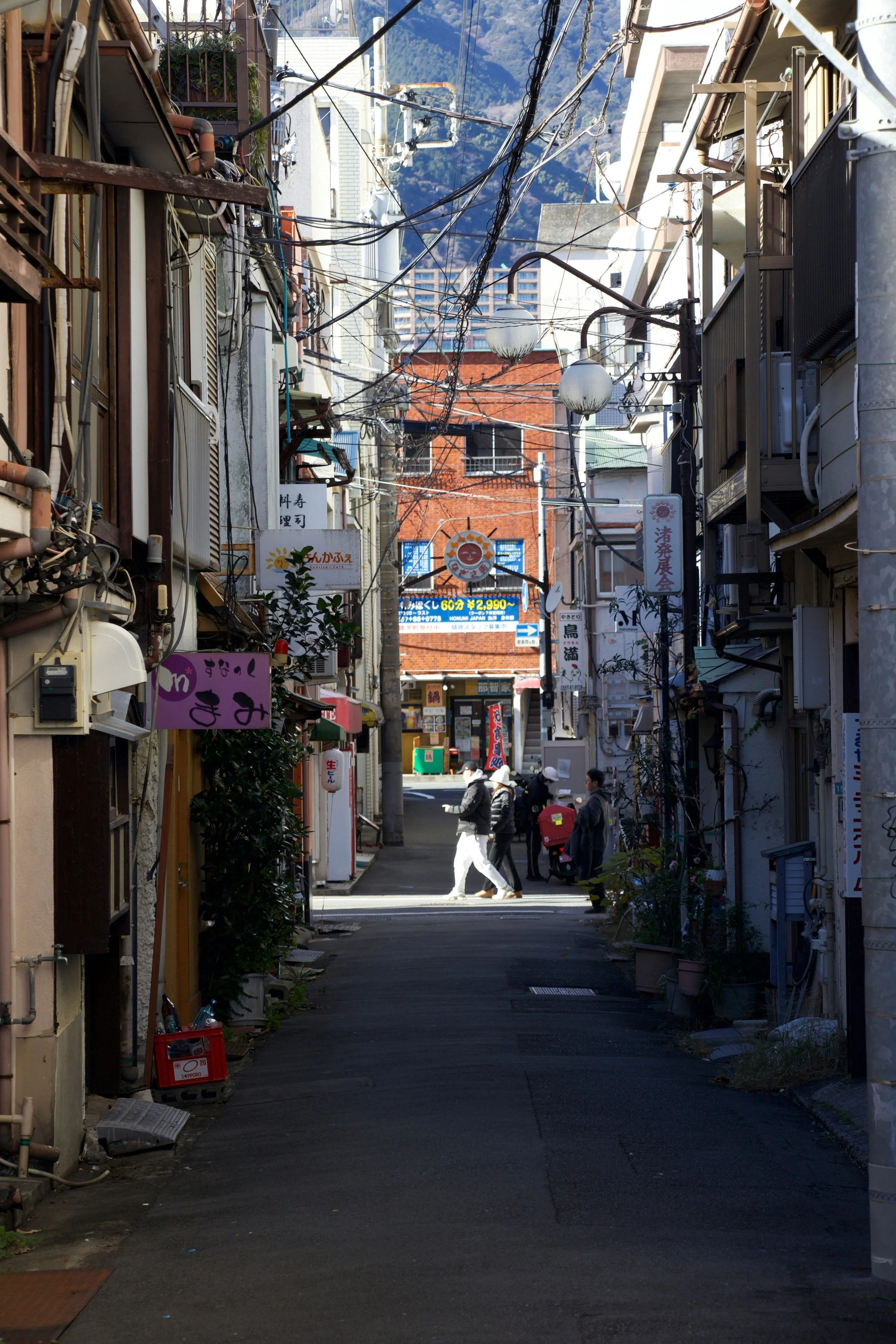
From the 2010s onward, young locals returning to their hometown, along with new entrepreneurs, gradually began bringing new life back to the city. Today, Atami combines a retro Showa-era atmosphere with newer cafés, restaurants and more contemporary shops.
Kinomiya Shrine illustrates this transformation particularly well. Around its immense camphor tree, said to be more than 2,000 years old, cafés and resting spaces now attract many visitors.
At the same time, Atami has also preserved its old local restaurants and nostalgic cafés. Personally, I still enjoy returning to a small restaurant I have visited since childhood, well known for its katsusando. More than a spectacular tourist destination, Atami mostly gives me the feeling of a more nostalgic and everyday side of Japan.