
The Quietness of the Forest
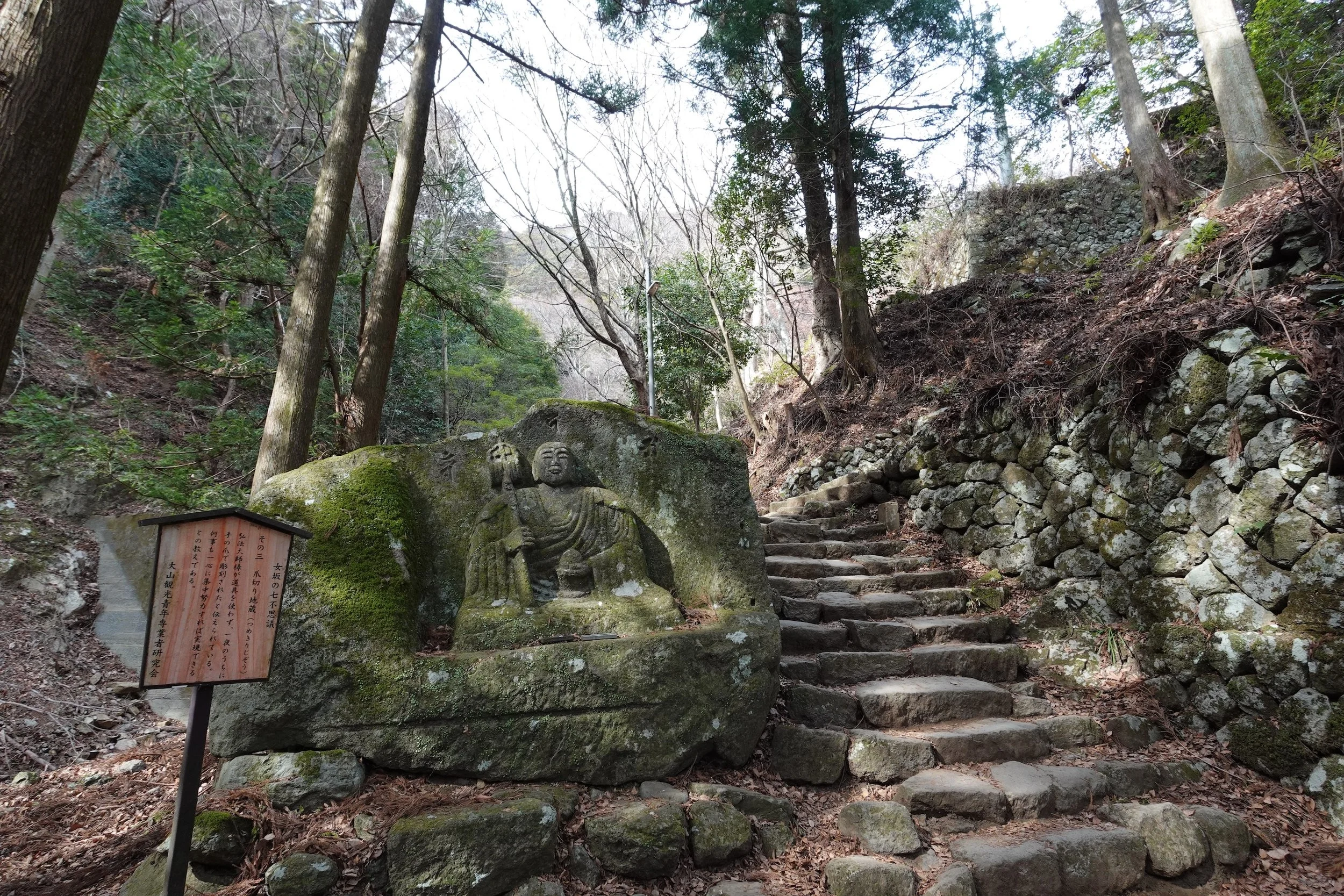
I visited Ōyama-dera Temple and Afuri Shrine.
As soon as I stepped out of the car, I was greeted by the atmosphere of the forest.
The sound of water flowing down the mountain.
The scent of the trees.
The coolness of the air.
Standing at the entrance to this sacred mountain, I found myself instinctively straightening my back. It felt as though something quietly shifted inside me.
After buying an Ōyama manjū, a local sweet, I walked along Tōfu-zaka before reaching Koma-sandō, the traditional approach to the mountain.
The street is lined with old-fashioned souvenir shops.
Traditional spinning tops.
Bamboo dragonflies.
Japanese pickles.
Manjū.
It reminded me of the kind of tourist destinations families used to visit years ago.
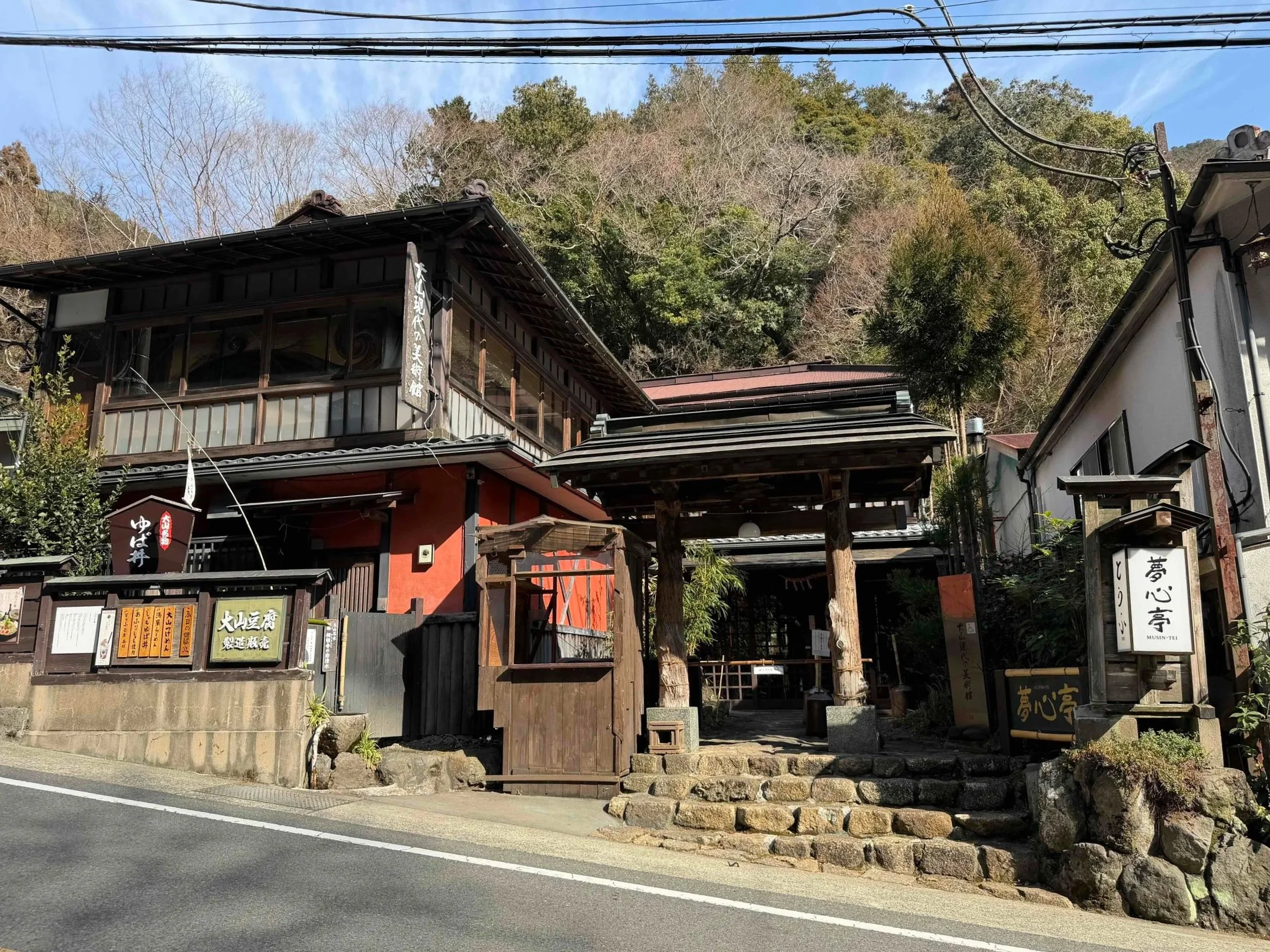
Nothing like the crowded attractions that draw endless streams of visitors.
Everything felt quieter.
Less commercial.
And that was precisely what made it so pleasant.
This time, I decided not to take the cable car.
Instead, I followed Onna-zaka, the “Women’s Slope.”
It takes about fifteen minutes to reach Ōyama-dera, and another twenty-five minutes to continue to Afuri Shrine.
The climb is relatively gentle, but before long the path disappears into the forest.
Stone steps.
Moss.
Sunlight filtering through the trees.
Ancient stone monuments.
Small Jizō statues
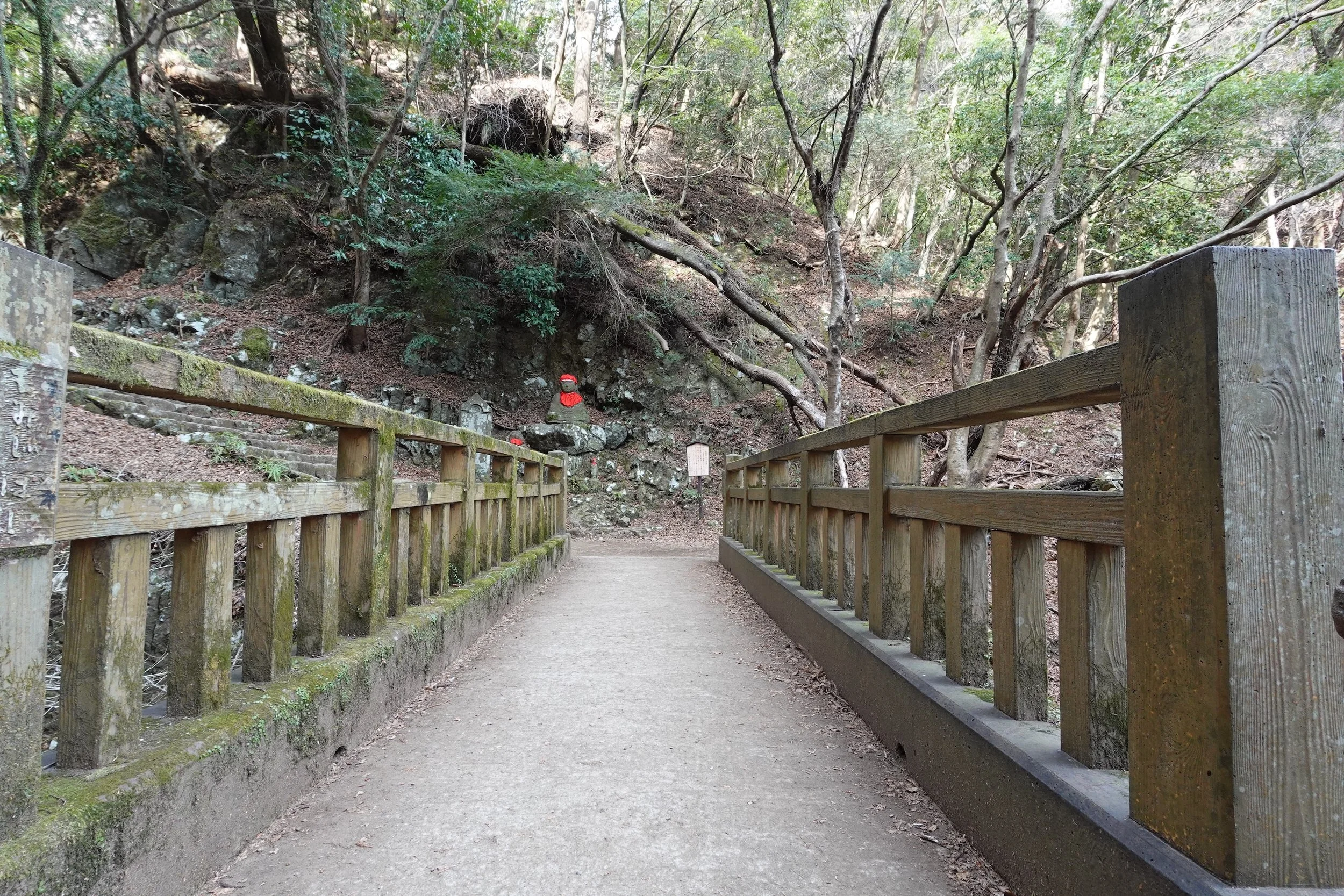
Onna-zaka is also known for its “Seven Mysteries,” a collection of legends that have been passed down for generations.
As I walked, I no longer felt that I was simply climbing a mountain.
It felt as though I was following a path that countless people had walked for centuries before me.
At one point, I heard a sudden rustling deep in the woods.
I froze.
An animal.
For a brief moment, I wondered whether it might be a bear.
Then I saw the deer.
Not just one, but several.
They looked like a family.
They noticed me and stopped to watch.
I stopped as well.
For a few quiet seconds, we simply observed one another.
There was something strangely peaceful about that silence.
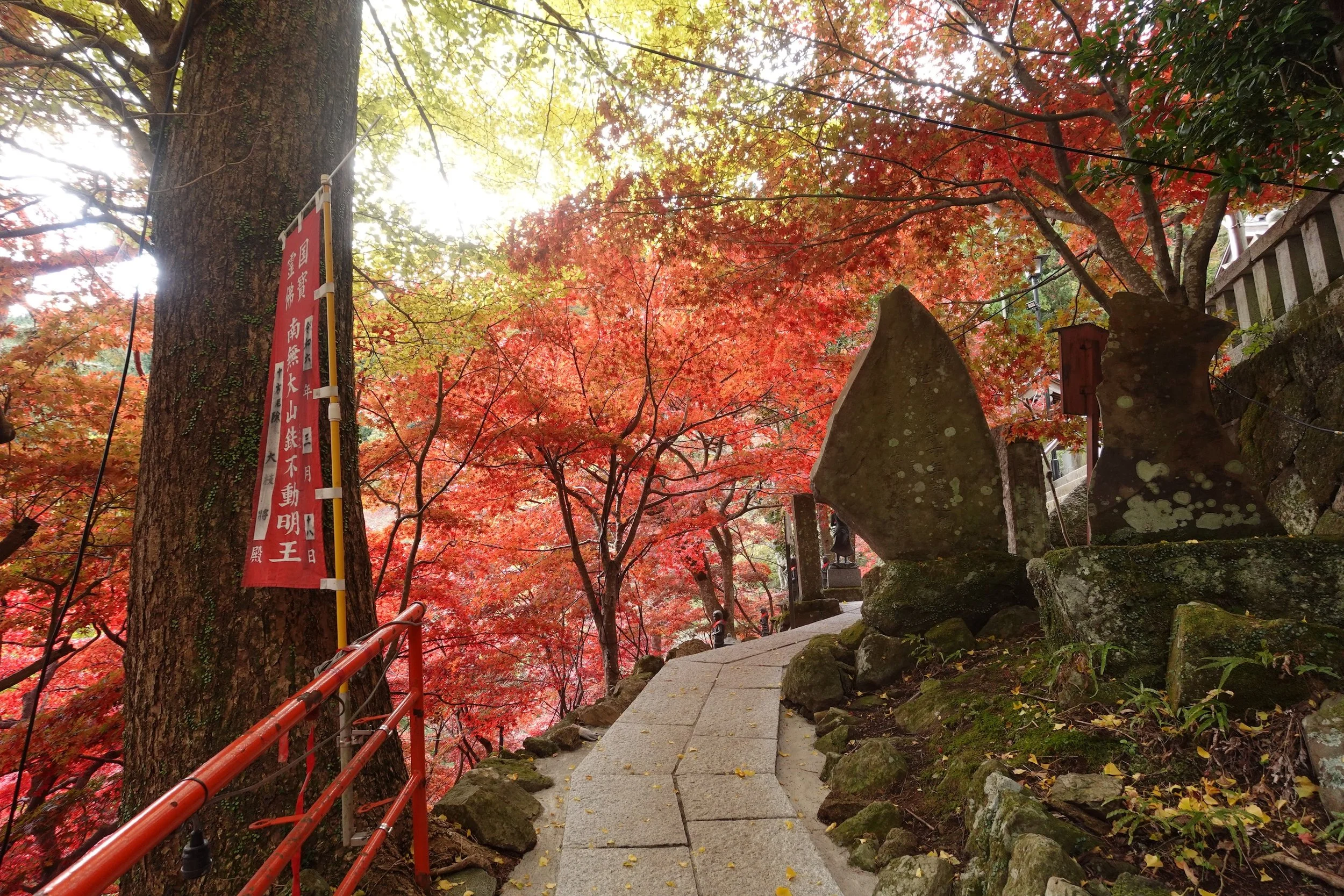
The stone staircase leading to Ōyama-dera remains shaded even in the middle of the day.
In autumn, brilliant red maple leaves form a tunnel above the path.
The contrast with the golden ginkgo trees near the entrance is beautiful.
Inside the temple, the rooms remain dimly lit.
You cannot see everything clearly.
And perhaps that is exactly what leaves such a lasting impression.
Rather than revealing everything, the darkness invites you to sense what lies within it.
It reminded me of a distinctly Japanese appreciation of beauty—one that finds meaning in subtlety, shadow, and what remains partially hidden.
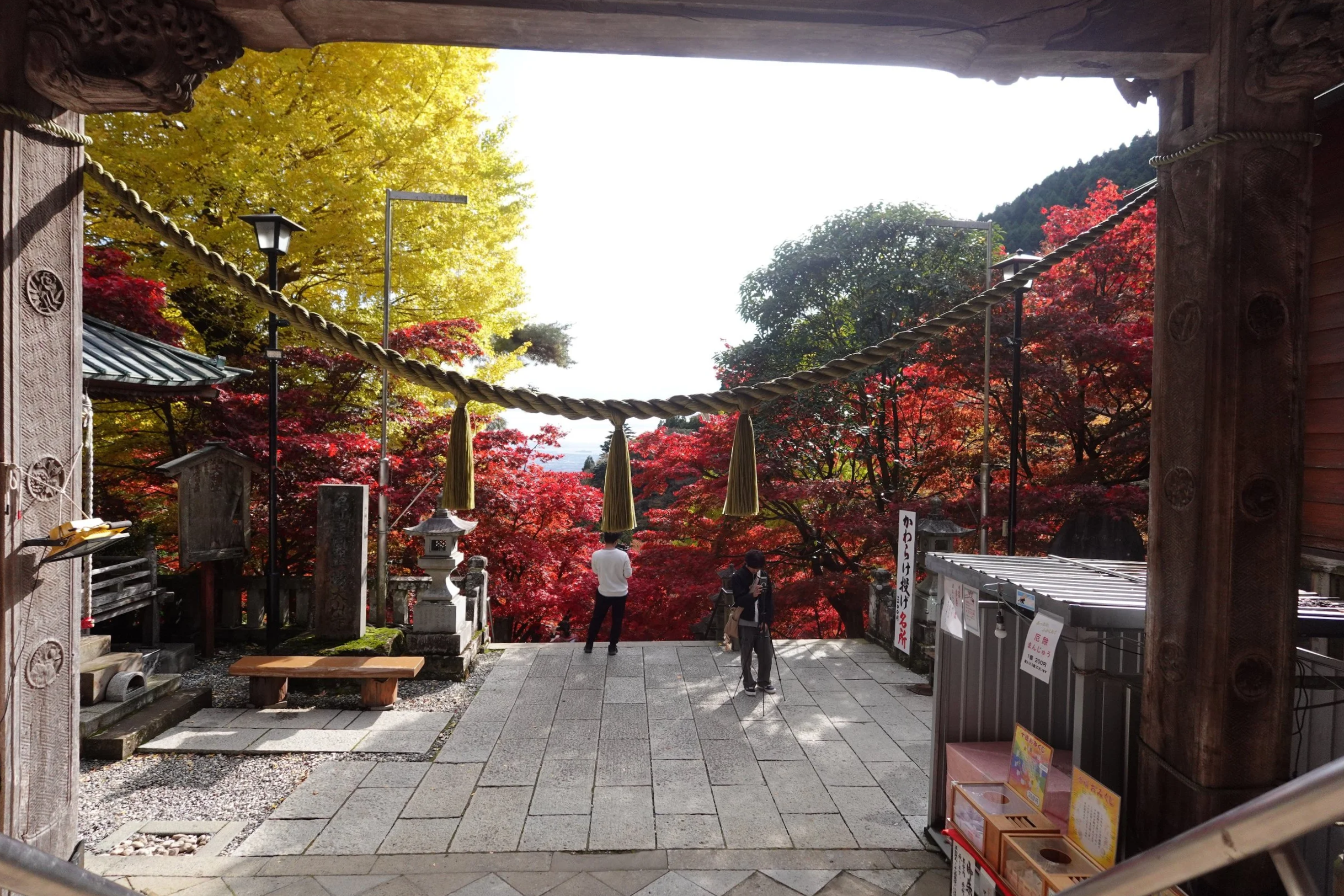
Climbing a little farther brings you to Afuri Shrine.
The atmosphere changes completely.
The grounds feel brighter, more open, and carefully maintained.
After the climb, the view over Sagami Bay is especially rewarding.
I stopped at Sekison, the café inside the shrine grounds, where a cup of hōjicha latte felt wonderfully comforting.
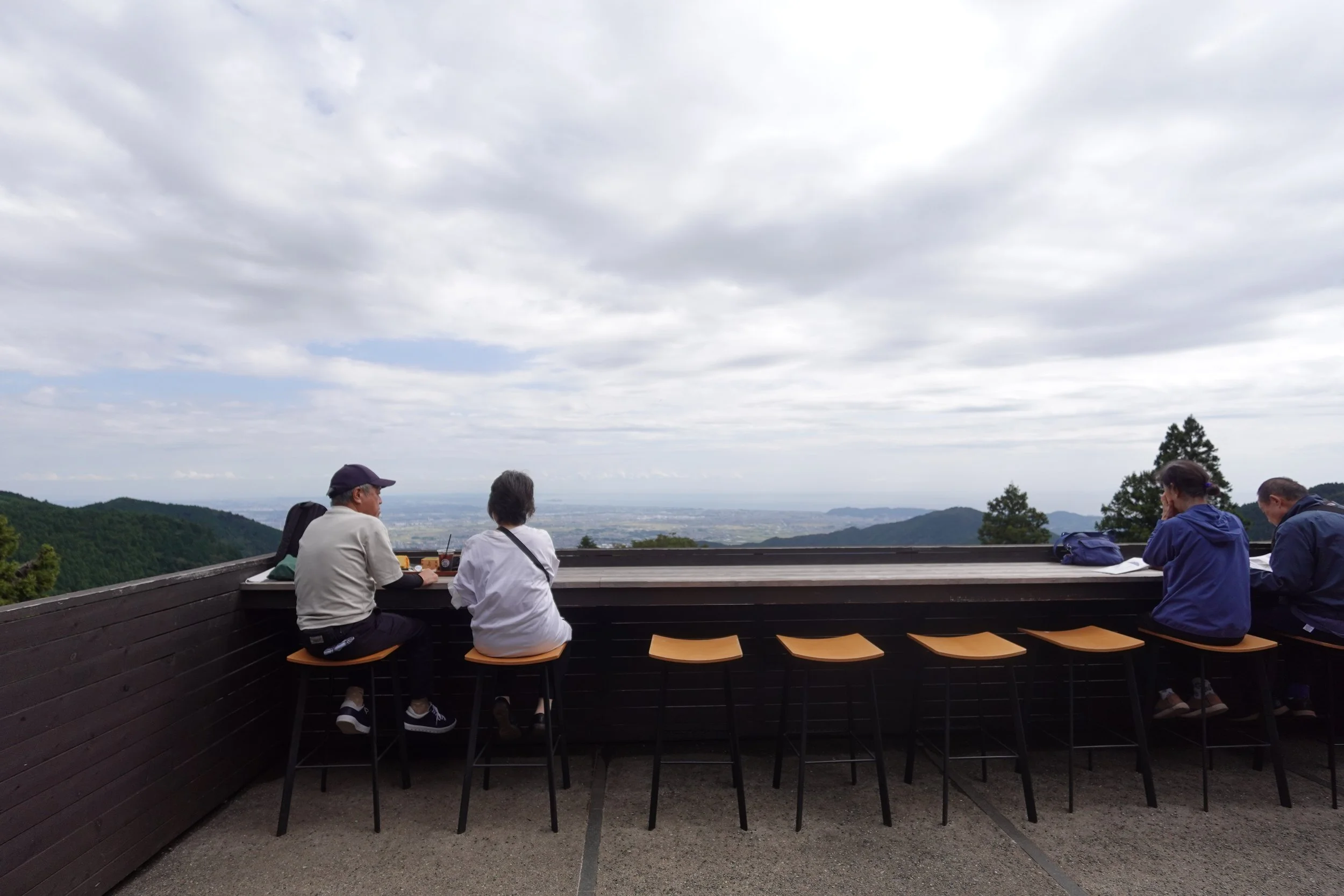
Today, Afuri Shrine is both a place of worship and a popular destination.
People come for the panoramic view.
For the café.
For the beautifully maintained surroundings.
Most visitors are probably there for those reasons.
So was I.
And yet, one question stayed with me throughout the walk.
Why do people still climb mountains today?
They ride the cable car.
Visit the shrine.
Enjoy the view.
That alone is enough to explain a day trip.
And yet, I couldn’t shake the feeling that there was something more to Ōyama-dera and Afuri Shrine.
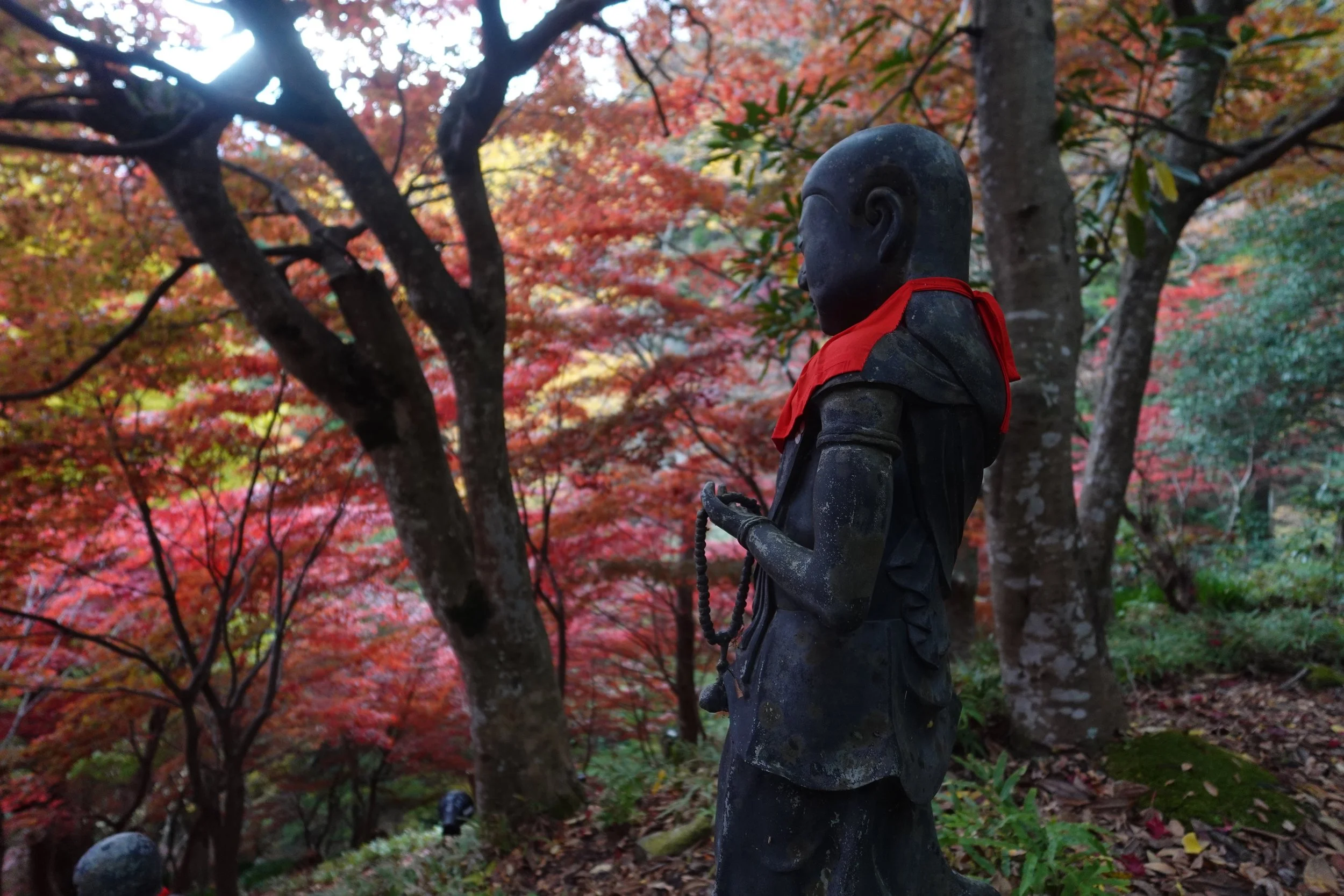
Perhaps the Japanese have always understood that nature can never truly be conquered.
Earthquakes.
Typhoons.
Torrential rain.
Landslides.
Nature is beautiful.
But it is also something to be respected, because it can be overwhelming.
Perhaps that is why people here have sought not to master nature, but to live alongside it.
To respect it.
To accept it.
And to place human life within it.
A temple in the mountains.
A shrine on the summit.
Not as symbols of humanity standing above nature, but as places that quietly exist within it.
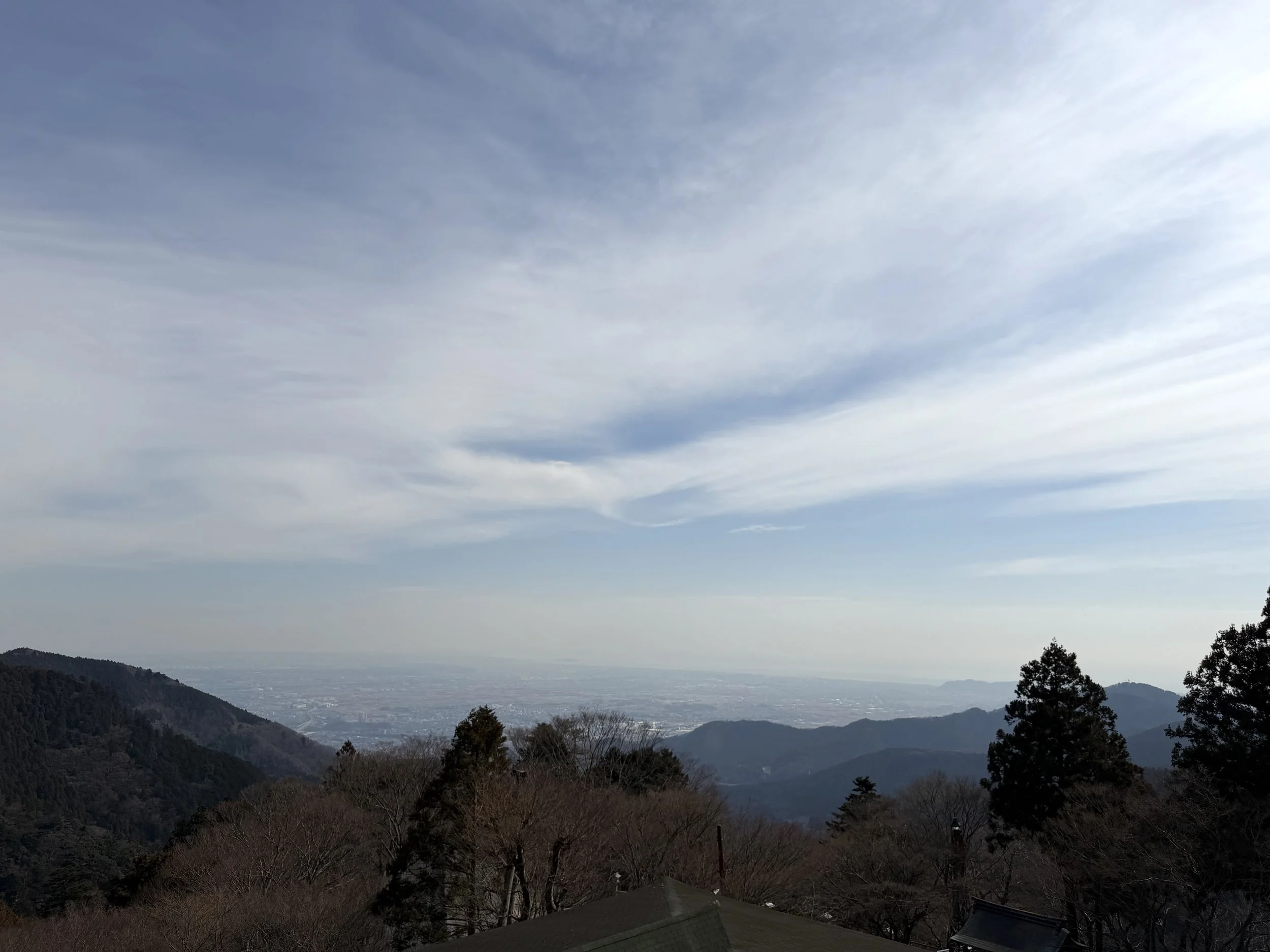
For the descent, I chose Otoko-zaka, the “Men’s Slope.”
The path is steeper.
As I walked beneath towering cedar trees, I came across another group of deer.
This time, they were much closer.
They looked at me.
I looked back.
And for a brief moment, I found myself thinking that perhaps, here, I was the visitor.
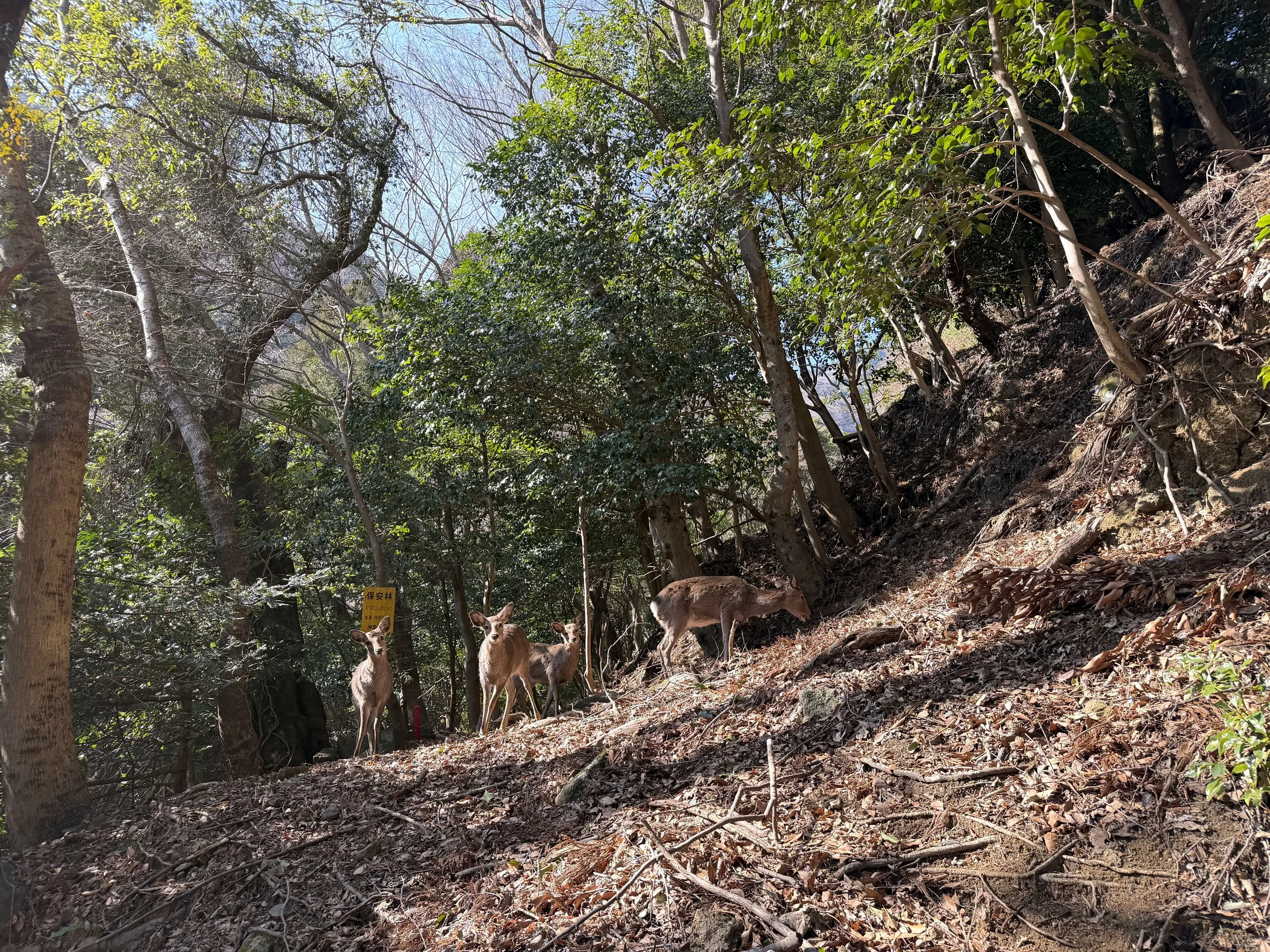
Looking back, my day at Ōyama-dera and Afuri Shrine felt less like a visit to two religious sites than an encounter with the quiet way human life finds its place within nature.
The sound of leaves beneath my feet.
Birdsong.
Flowing water.
The wind moving through the trees.
The distant ringing of a temple bell.
It did not feel as though nature existed to accompany human life.
Instead, it seemed that human life had been quietly placed within nature.
Places Visited
Ōyama Manjū Honpo Rōben
https://maps.app.goo.gl/UVcNdFS48Q5ww2SeA
Koma-sandō
https://maps.app.goo.gl/3V4NEmaEsqbtpBtB8
Ōyama-dera
https://maps.app.goo.gl/zNaLggqPTRqgqY6i9
Sanctuaire Ōyama Afuri-jinja
https://maps.app.goo.gl/XW5hzQdjoGUr69UB9
Sekison Tea House
